Bem-vindo ao guia completo da MAIKONG para noções básicas de iridologia. Iridologia é o estudo fascinante dos padrões e estruturas da íris relacionados às condições de saúde do corpo. Esta prática antiga evoluiu para um método moderno de avaliação complementar de saúde utilizado por profissionais em todo o mundo. Como fabricante líder com mais de 20 anos de experiência em equipamentos de iridologia, temos o prazer de compartilhar nosso conhecimento sobre esta prática esclarecedora. Quer você seja um profissional de saúde que deseja expandir seu kit de ferramentas de diagnóstico, um estudante iniciando sua jornada em direção à saúde natural ou simplesmente curioso sobre o que seus olhos podem revelar sobre seu bem-estar, este guia fornecerá uma base sólida em noções básicas de iridologia.
O que são noções básicas de iridologia: uma introdução

Uma fotografia detalhada da íris mostrando várias marcas estudadas nos fundamentos da iridologia
Os princípios básicos da iridologia começam com a compreensão de que a íris – a parte colorida do olho – contém milhares de terminações nervosas conectadas a várias partes do corpo através do cérebro e do sistema nervoso. De acordo com a teoria da iridologia, essas conexões criam um mapa detalhado que reflete a condição dos órgãos e sistemas de todo o corpo.
A iridologia é baseada no estudo científico da íris. Tal como as marcações num mapa, a íris revela condições fisiológicas, riscos psicológicos para a saúde, desafios e pontos fortes de vários órgãos e traços de personalidade. Através dos princípios básicos da iridologia, os profissionais pretendem compreender as condições de saúde passadas, presentes e potenciais futuras, avaliando vários sistemas corporais.
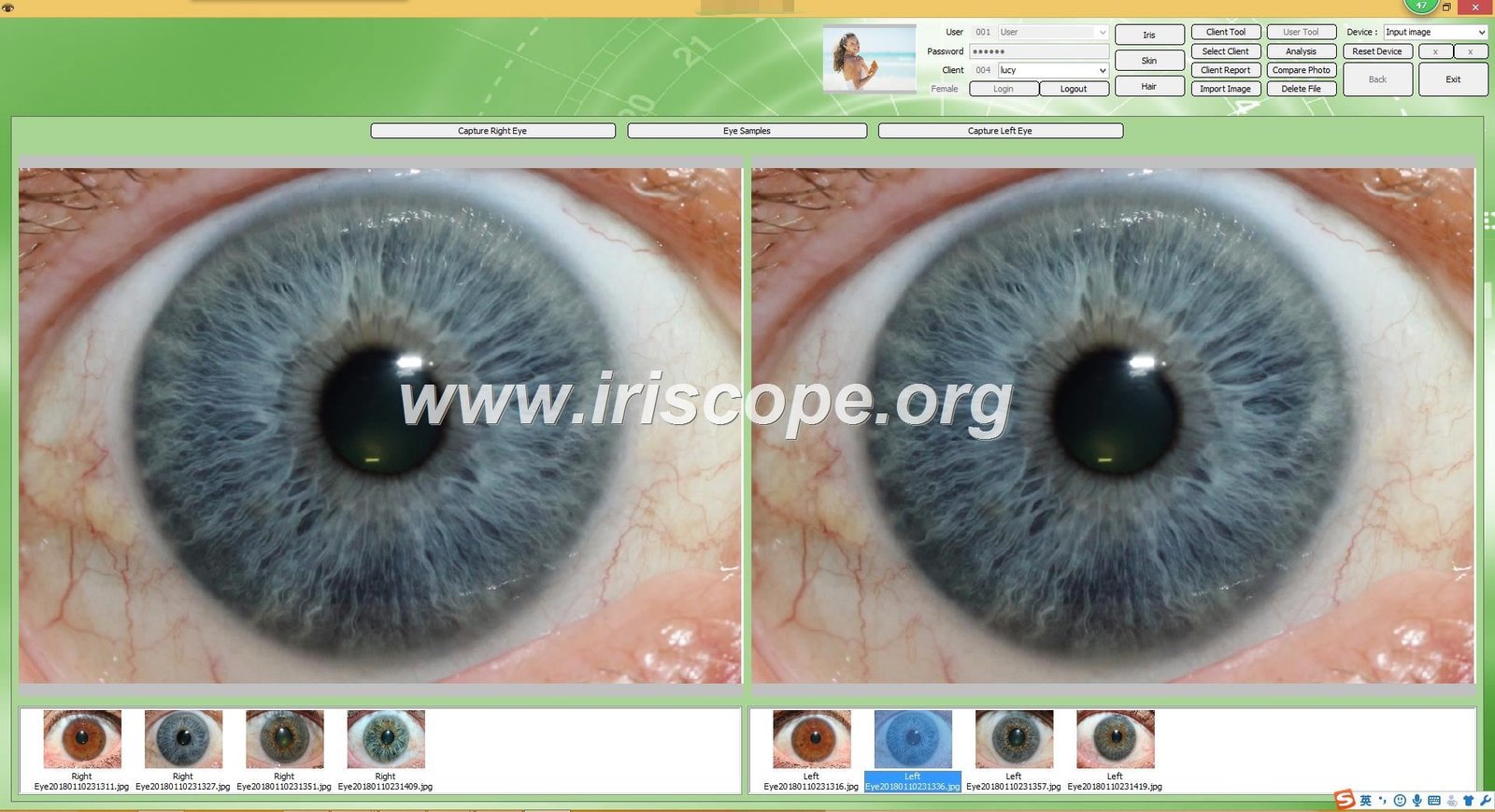
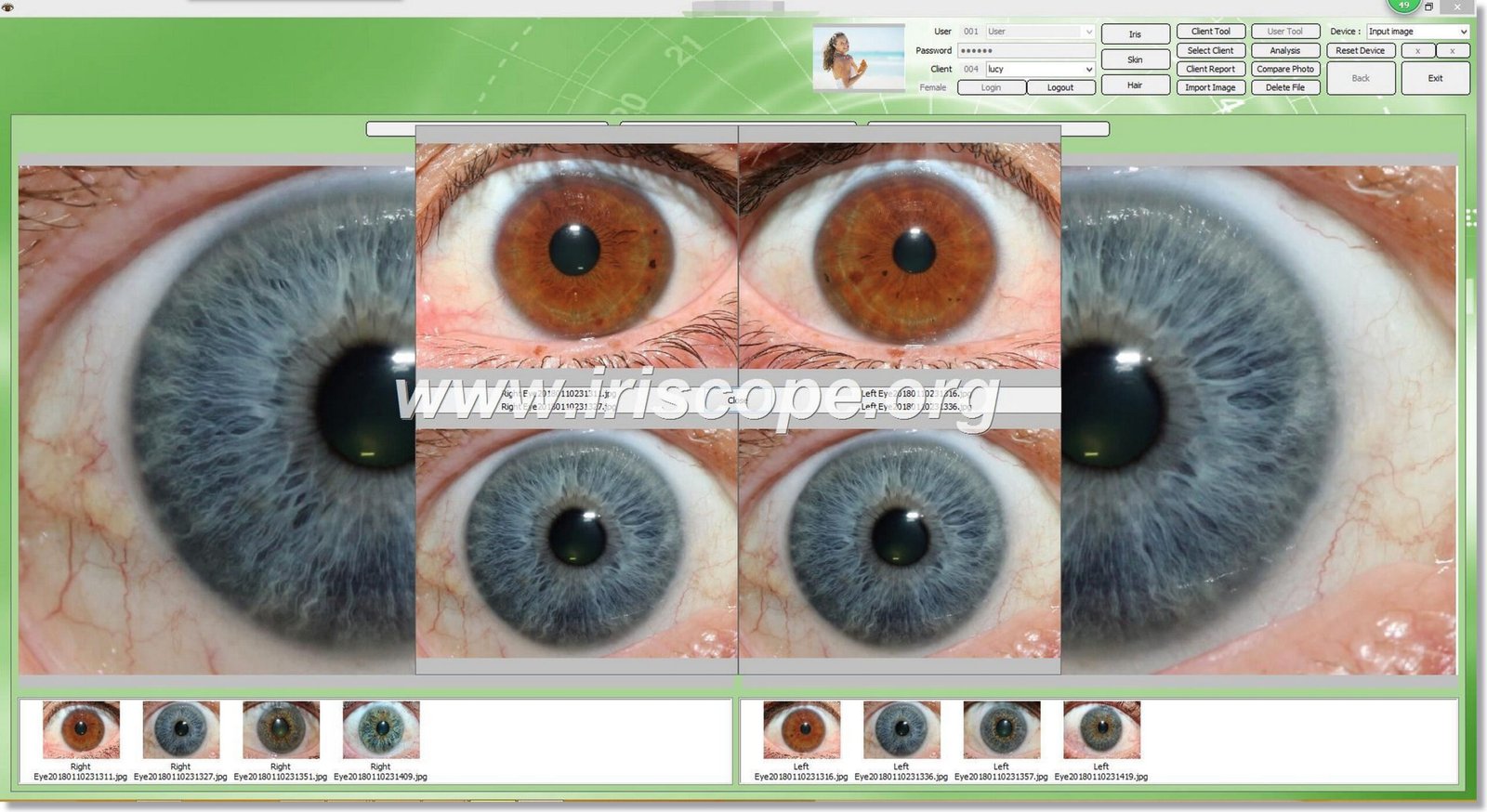
Os iridologistas modernos usam câmeras de iridologia ou iriscopes para capturar imagens de alta resolução da íris. Estas ferramentas permitem o exame detalhado das estruturas da íris que podem não ser visíveis a olho nu. As imagens são então analisadas usando gráficos de iridologia que mapeiam diferentes áreas da íris para partes e sistemas corporais correspondentes.
Explore o equipamento profissional de iridologia MAIKONG
Com mais de 20 anos de R&D e experiência em fabricação, a MAIKONG oferece câmeras e software de iridologia de última geração para profissionais e entusiastas.
Veja nossas câmeras de iridologia
Os fundamentos históricos dos fundamentos da iridologia
A prática de examinar a íris em busca de informações sobre saúde remonta a séculos, com o estudo formal dos fundamentos da iridologia começando no final do século XVII. Compreender esta rica história ajuda a avaliar como a prática evoluiu até à sua forma moderna.
Origens Primitivas
As primeiras observações registradas das conexões entre a íris e a saúde vêm de civilizações antigas. No entanto, o estudo sistemático dos fundamentos da iridologia é frequentemente atribuído a Philippus Meyens, que publicou “Quiromática Médica” em 1670, descrevendo a conexão entre as marcas da íris e os órgãos do corpo.
A prática ganhou um impulso significativo no século XIX, quando o médico húngaro Ignaz von Peczely publicou as suas observações sobre os padrões da íris e a sua correlação com as condições de saúde. Quando criança, von Peczely notou mudanças na íris de uma coruja depois que o pássaro quebrou a perna, o que desencadeou seu estudo ao longo da vida sobre as conexões entre a íris e o corpo.
Desenvolvimento Moderno
No século 20, Dr. Bernard Jensen avançou significativamente noções básicas de iridologia nos Estados Unidos, desenvolvendo gráficos de íris abrangentes e treinando muitos profissionais. Seu trabalho ajudou a padronizar as práticas de iridologia e trouxe maior reconhecimento à área.
Hoje, a tecnologia moderna revolucionou a prática da iridologia. Digital de alta definição câmeras de iridologia e análise sofisticada programas tornaram o exame da íris mais preciso e acessível do que nunca, permitindo um estudo mais detalhado dos fundamentos da iridologia.
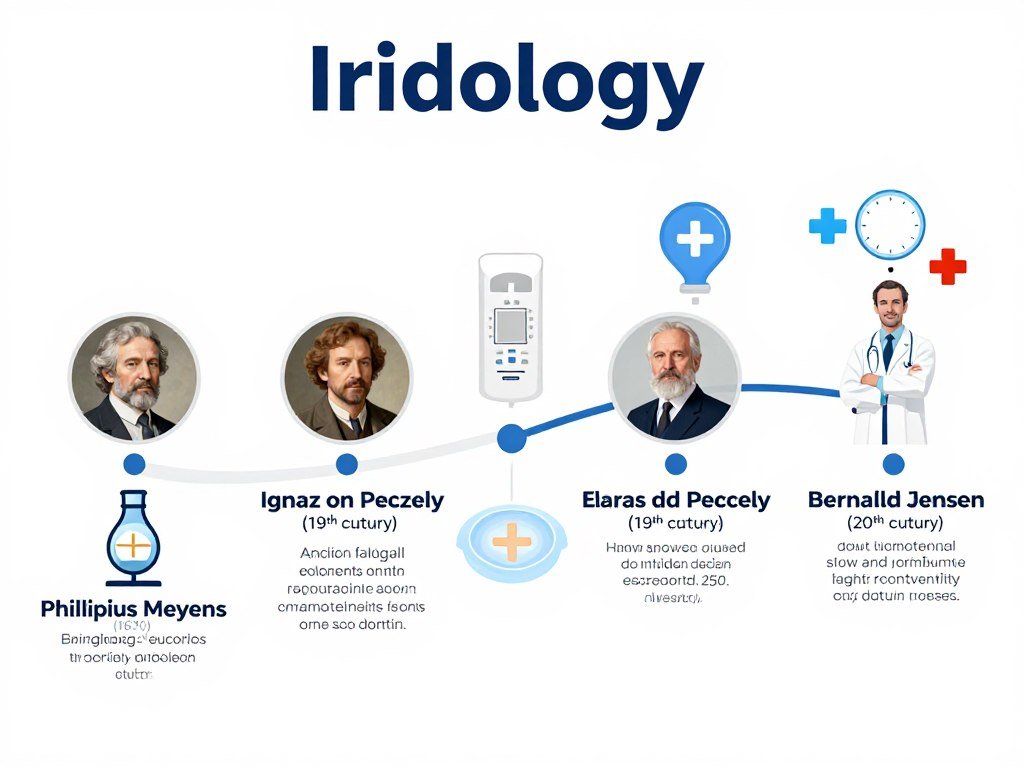
Linha do tempo mostrando a evolução dos fundamentos da iridologia ao longo da história
Princípios Básicos de Iridologia Básica
Compreender os princípios fundamentais que constituem a base dos fundamentos da iridologia é essencial para qualquer pessoa interessada nesta prática. Esses princípios explicam como e por que a iridologia funciona como ferramenta de avaliação de saúde.

Os quatro pilares dos fundamentos da iridologia
Os quatro princípios que constituem os pilares dos fundamentos da iridologia são:
- A condição dos nervos
- A condição do sistema de sangue e linfonia
- Circulação adequada
- Nutrição, qualidade do descanso, respiração e estado de espírito
Os defensores dos princípios básicos da iridologia apreciam sua natureza não invasiva, que contrasta com muitos procedimentos diagnósticos convencionais que podem ser caros, demorados e às vezes desconfortáveis. No entanto, é importante observar que a iridologia é normalmente usada como uma ferramenta de avaliação complementar, e não como um substituto do diagnóstico médico convencional.
“O olho é a janela para a saúde do corpo, revelando padrões e sinais que nos ajudam a compreender a pessoa como um todo, e não apenas sintomas isolados.”
– Princípio da avaliação holística em iridologia
E MAIKONG, nosso câmeras de iridologia e programas são projetados com esses princípios em mente, fornecendo aos profissionais as ferramentas necessárias para aplicar os princípios básicos da iridologia de maneira eficaz em sua prática.
Zonas e mapeamento da íris: noções básicas de iridologia essenciais
Um aspecto fundamental dos fundamentos da iridologia é compreender como a íris é mapeada para corresponder aos diferentes órgãos e sistemas do corpo. Esses mapas servem como guias de referência para os profissionais ao analisarem os padrões da íris e seus significados.
Principais zonas em noções básicas de iridologia
Zona Pupilar (Anel Interno)
A área mais próxima da pupila corresponde ao sistema digestivo e aos órgãos internos. Alterações nesta zona podem indicar condições relacionadas ao estômago, intestinos e funções digestivas básicas.
Zona Ciliar (Anel Médio)
Esta seção intermediária representa os sistemas metabólicos, incluindo os sistemas respiratório, circulatório, muscular e esquelético. A maioria das condições crónicas de saúde reflecte-se nesta área.
Coroa de Nervos Autônomos
Isto aparece como um limite irregular ou recortado entre as zonas pupilar e ciliar. Representa o sistema nervoso autônomo e a parede intestinal. Sua integridade pode indicar a saúde do sistema nervoso.
Zona Periférica (Anel Externo)
A área mais externa da íris corresponde à pele, sistema linfático e extremidades. Os sinais nesta região geralmente estão relacionados aos processos de eliminação e estruturas externas do corpo.
Além disso, a íris é dividida em setores semelhantes a um relógio, com cada seção correspondendo a órgãos ou partes específicas do corpo. Por exemplo, o fígado normalmente aparece entre 7 e 8 horas no OLHO DIREITO, enquanto o coração é representado entre 2 e 3 horas no olho esquerdo.
Você sabia? Makong's software de iridologia inclui mapas detalhados da íris para ambos os certo e esquerda olhos, tornando mais fácil para os profissionais aplicarem os princípios básicos da iridologia em sua prática.
Marcações comuns de íris em noções básicas de iridologia
Aprender a reconhecer e interpretar marcas comuns da íris é uma parte crucial dos princípios básicos da iridologia. Essas marcações podem aparecer como manchas, linhas, descolorações ou variações estruturais na íris, cada uma com seu próprio significado na análise iridológica.

Várias marcações de íris comumente analisadas em noções básicas de iridologia
Marcações estruturais
Lacunas
Estes aparecem como áreas ovais ou em forma de pasta com fibras esparsas. Diferentes formas de lacunas indicam várias condições:
- Lacunas fechadas: Áreas encapsuladas sugerindo condições crônicas
- Lacunas abertas: Áreas ainda passando por atividade metabólica
- Torpedo Pond Associado a tumores glandulares
Raio solar
Essas linhas semelhantes a raios irradiam da pupila ou da coroa do nervo autônomo em direção à íris externa. Assemelham-se a raios de bicicleta e podem indicar condições tóxicas nos órgãos correspondentes.
Anéis e marcações circulares
Anéis nervosos (anéis de estresse)
Eles aparecem como anéis concêntricos circulares ou depressões no estroma da íris. Eles indicam tensão nervosa e níveis de ansiedade. Saiba mais sobre Anéis de estresse nos olhos.
Anel de colesterol (anel de sódio)
Um anel branco e opaco aparecendo ao redor da borda externa da íris. Sugere desequilíbrios químicos relacionados ao excesso de sódio e possíveis problemas de colesterol.
Marcações de cor e pigmento
Manchas de pigmento
Essas manchas coloridas aparecem em vários locais da íris e podem ser classificadas por cor:
- Manchas psóricas: Descolorações marrom-avermelhadas indicando depósitos de toxinas
- Manchas de melanina: Pigmentos marrons ou pretos sugerindo tendências degenerativas
- O telhado: Pigmentos avermelhados relacionados a doenças do fígado e do pâncreas
Rosário linfático
Uma série de pontos brancos formando um padrão de anel na íris, indicando congestão do sistema linfático.
Indicadores de pupila em noções básicas de iridologia
Indicadores de pupila
O próprio aluno fornece informações valiosas na análise iridológica:
- Pupila aumentada: Pode indicar fadiga adrenal ou efeitos de medicamentos
- Aluno pequeno: Muitas vezes sugere estresse interno ou influência de medicamentos
- Aluno irregular: Pode indicar problemas na coluna ou nas costas
- Borda da pupila achatada: Pode estar relacionado a problemas específicos da coluna vertebral
Aplicação prática dos princípios básicos da iridologia
A aplicação dos princípios básicos da iridologia na prática envolve várias etapas importantes, desde a captura adequada da imagem até a análise e interpretação. Esta seção cobre os aspectos práticos da realização de uma avaliação iridológica.
Equipamento para noções básicas de iridologia
Equipamento Essencial
- Câmera de iridologia: Uma câmera especializada com recursos macro para capturar imagens detalhadas da íris
- Iriscópio: Um dispositivo integrado que combina câmera e iluminação para obter imagens ideais da íris
- Software de iridologia: Programas que auxiliam na análise de imagens da íris e na aplicação de gráficos iridológicos
- Gráficos de iridologia: Mapas de referência mostrando a correspondência entre zonas da íris e sistemas corporais
Técnica de captura de imagem
A captura adequada de imagens é crucial para uma aplicação precisa dos fundamentos da iridologia:
- Posicione o assunto em um ambiente confortável e bem iluminado
- Garanta iluminação adequada para evitar constrição ou ofuscamento da pupila
- Capture ambos os olhos separadamente para uma análise abrangente
- Tire várias imagens para garantir clareza e detalhes
- Armazene imagens adequadamente para comparação ao longo do tempo
Processo de análise em noções básicas de iridologia
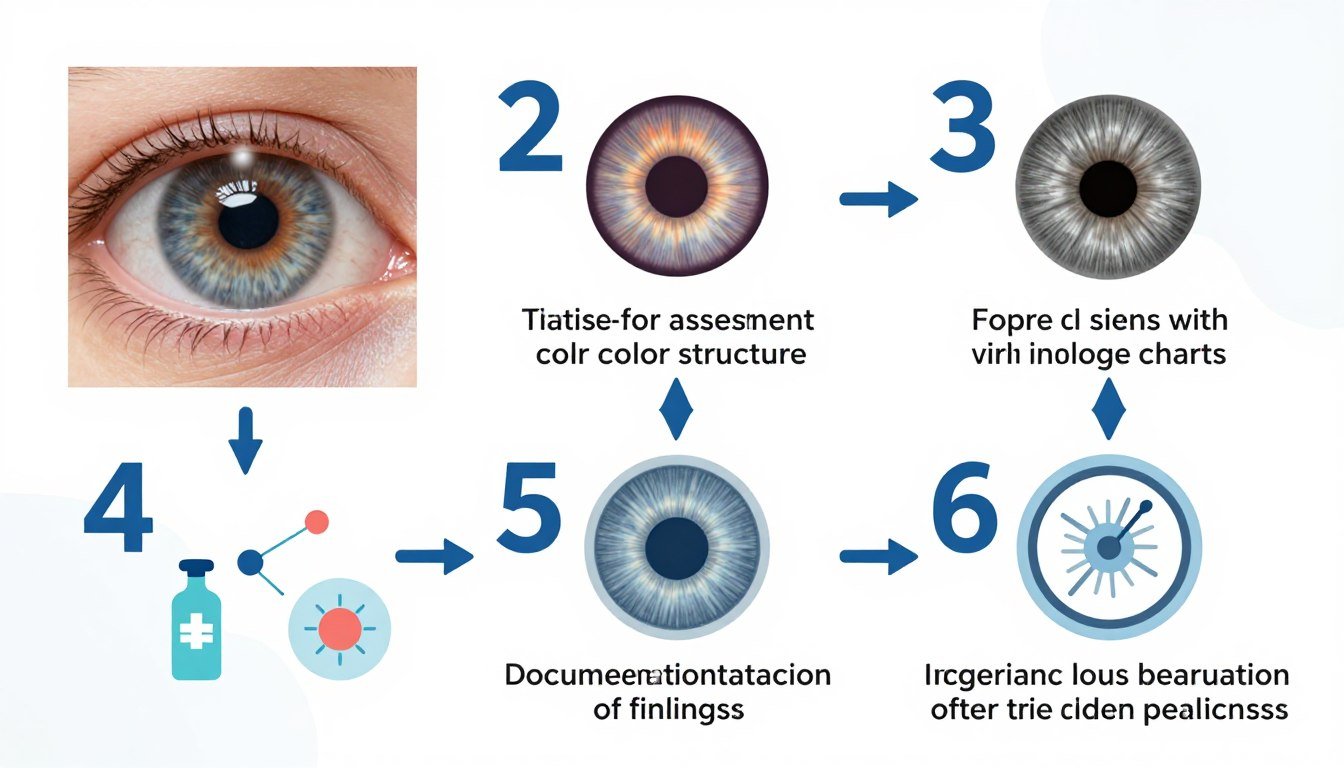
Processo passo a passo de análise iridológica
Uma abordagem sistemática para análise da íris inclui:
- Avaliação inicial: Observe a cor, estrutura e integridade geral da íris
- Exame de zona: Analise sistematicamente cada zona da íris (pupilar, ciliar, periférica)
- Identificação de marcação: Identifique marcações específicas (lacunas, pigmentos, anéis, etc.)
- Comparação de gráficos: Compare as descobertas com o padrão gráficos de iridologia
- Documentação: Registre observações para referência e comparação futuras
- Interpretação: Desenvolva uma compreensão holística das descobertas
Dica Profissional: Makong's software de iridologia inclui recursos de análise automatizada que ajudam os profissionais a aplicar os fundamentos da iridologia de forma mais eficiente, com ferramentas para marcação de identificação e sobreposição de gráficos.
Benefícios e limitações dos princípios básicos da iridologia
Compreender os potenciais benefícios e limitações dos princípios básicos da iridologia é essencial para uma perspectiva equilibrada sobre esta prática. Esse conhecimento ajuda profissionais e clientes a manter expectativas realistas sobre o que a iridologia pode ou não oferecer.
Benefícios da Iridologia
- Avaliação não invasiva: Requer apenas fotografias da íris sem desconforto físico
- Abordagem preventiva: Pode identificar tendências antes do desenvolvimento dos sintomas
- Perspectiva holística: Considera a interconectividade dos sistemas corporais
- Fundação Histórica: Com base em séculos de prática observacional
- Ferramenta complementar: Pode trabalhar ao lado de abordagens médicas convencionais
Limitações a serem consideradas
- Validação científica limitada: Poucos estudos controlados apóiam reivindicações de diagnóstico
- Variações interpretativas: Diferentes praticantes podem chegar a conclusões diferentes
- Não é um substituto: Deve complementar, e não substituir, os cuidados médicos convencionais
- Fatores genéticos: Muitas características da íris são herdadas e não desenvolvidas
- Desafios de padronização: Variação nos padrões de treinamento e certificação
A comunidade científica geralmente vê a iridologia com vários graus de aceitação. Embora alguns estudos tenham questionado a sua precisão diagnóstica, muitos profissionais consideram útil usar os princípios básicos da iridologia como um componente de uma avaliação abrangente da saúde, juntamente com outros métodos, como histórico de casos, exame físico e testes laboratoriais, quando apropriado.

Avaliação iridológica profissional com equipamento MAIKONG
“A iridologia é melhor compreendida como uma avaliação das tendências constitucionais e do terreno corporal, e não como uma ferramenta de diagnóstico para doenças específicas.”
– Perspectiva moderna sobre a prática da iridologia
Introdução aos princípios básicos da iridologia
Para aqueles interessados em explorar os fundamentos da iridologia, seja como praticante ou para conhecimento pessoal, existem vários caminhos para iniciar sua jornada. Esta seção fornece orientação sobre necessidades de educação, certificação e equipamentos.
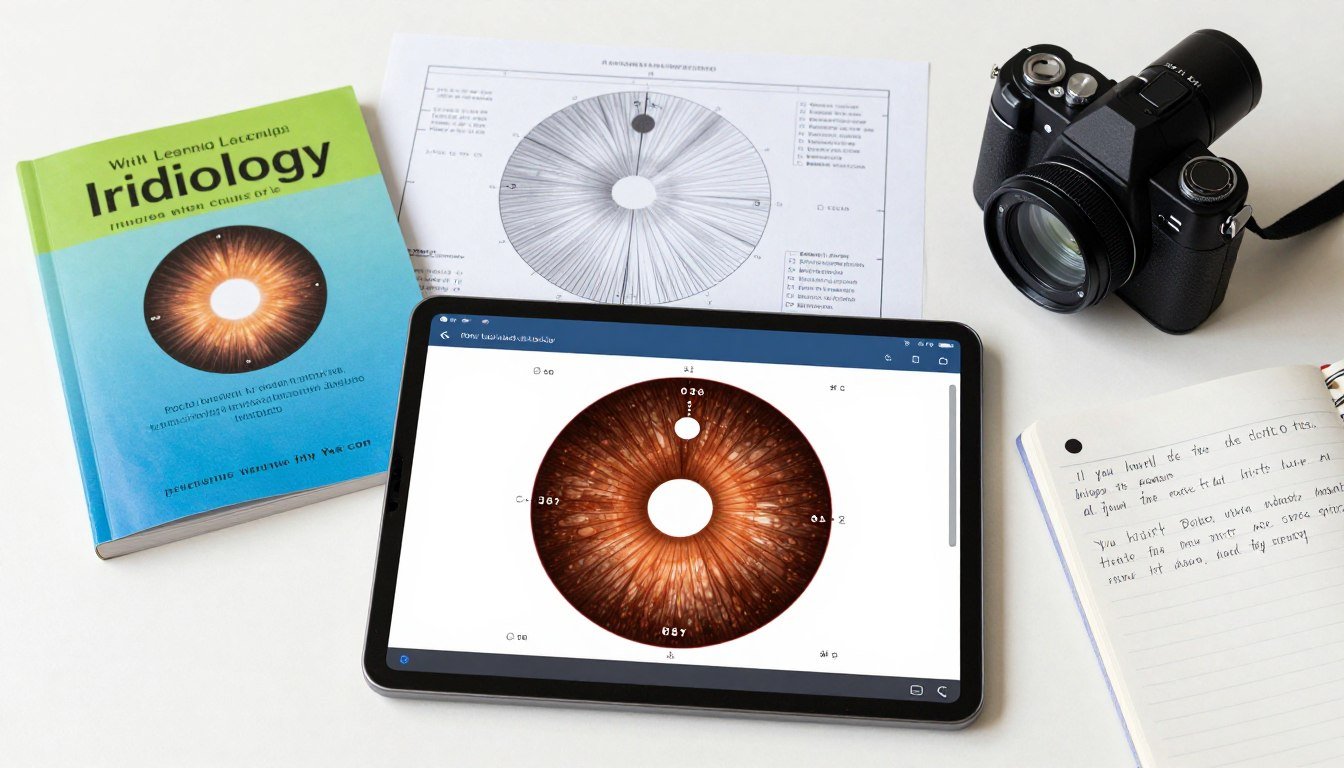
Recursos educacionais para aprender noções básicas de iridologia
Educação e Certificação
Construir uma base sólida nos fundamentos da iridologia normalmente envolve:
- Educação formal: Cursos de fundamentos de iridologia, anatomia e fisiologia
- Treinamento prático: Experiência prática com análise de íris sob supervisão
- Certificação: Obtenção certificação de iridologia de organizações reconhecidas
- Educação continuada: Manter-se atualizado com as pesquisas e técnicas mais recentes
Equipamento essencial para praticantes
Para aplicar efetivamente os fundamentos da iridologia na prática, são necessários certos equipamentos:
Câmeras de Iridologia
Profissional câmeras de iridologia fornecem as imagens de alta resolução necessárias para uma análise precisa. MAIKONG oferece uma gama de câmeras adequadas tanto para iniciantes quanto para profissionais experientes.
Iriscopes
Um iriscópio combina a funcionalidade da câmera com iluminação adequada para obter imagens de íris ideais. Nossos modelos são projetados para facilidade de uso e clareza de imagem.
Software de análise
Makong's software de iridologia aprimora os recursos de análise com recursos como sobreposição de gráficos, ferramentas de comparação e gerenciamento de registros de clientes.
Torne-se Distribuidor Makong
Você está interessado em representar o equipamento de iridologia premium da MAIKONG no mercado dos EUA? Estamos procurando distribuidores e agentes para nossos produtos de nível profissional.
Aprenda sobre distribuição
Conclusão: Adotando Noções Básicas de Iridologia para Insights de Saúde
Os princípios básicos da iridologia oferecem uma janela fascinante sobre a saúde do corpo através do exame detalhado dos padrões e marcações da íris. Esta prática combina a antiga sabedoria observacional com a moderna tecnologia de imagem para fornecer uma perspectiva única sobre a avaliação da saúde. Os intrincados padrões, cores e marcas visíveis na íris criam um mapa que, de acordo com os princípios da iridologia, reflete a condição de vários órgãos e sistemas em todo o corpo.
Ao continuar sua jornada pela iridologia, lembre-se de que equipamentos de qualidade fazem uma diferença significativa na precisão e eficácia de sua prática. Os mais de 20 anos de experiência da MAIKONG na fabricação de equipamentos profissionais de iridologia garantem que os profissionais tenham acesso às melhores ferramentas para aplicar os princípios básicos da iridologia em seu trabalho.
Quer você seja um profissional de saúde que deseja expandir seu kit de ferramentas, um estudante iniciando sua jornada em iridologia ou interessado em distribuir equipamentos de iridologia de qualidade, convidamos você a se conectar com a MAIKONG e descobrir como nossa experiência e produtos podem apoiar seus objetivos.
Comece sua jornada de iridologia com Maikong
Explore nossa linha de equipamentos profissionais de iridologia e leve sua prática para o próximo nível.
Visite nosso site