Welcome to MAIKONG’s comprehensive guide to iridology basics. Iridology is the fascinating study of iris patterns and structures as they relate to health conditions in the body. This ancient practice has evolved into a modern complementary health assessment method used by practitioners worldwide. As a leading manufacturer with over 20 years of experience in iridology equipment, we’re excited to share our knowledge about this insightful practice.Whether you’re a healthcare professional looking to expand your diagnostic toolkit, a student beginning your journey into natural health, or simply curious about what your eyes might reveal about your wellbeing, this guide will provide you with a solid foundation in iridology basics.
What Is Iridology Basics: An Introduction

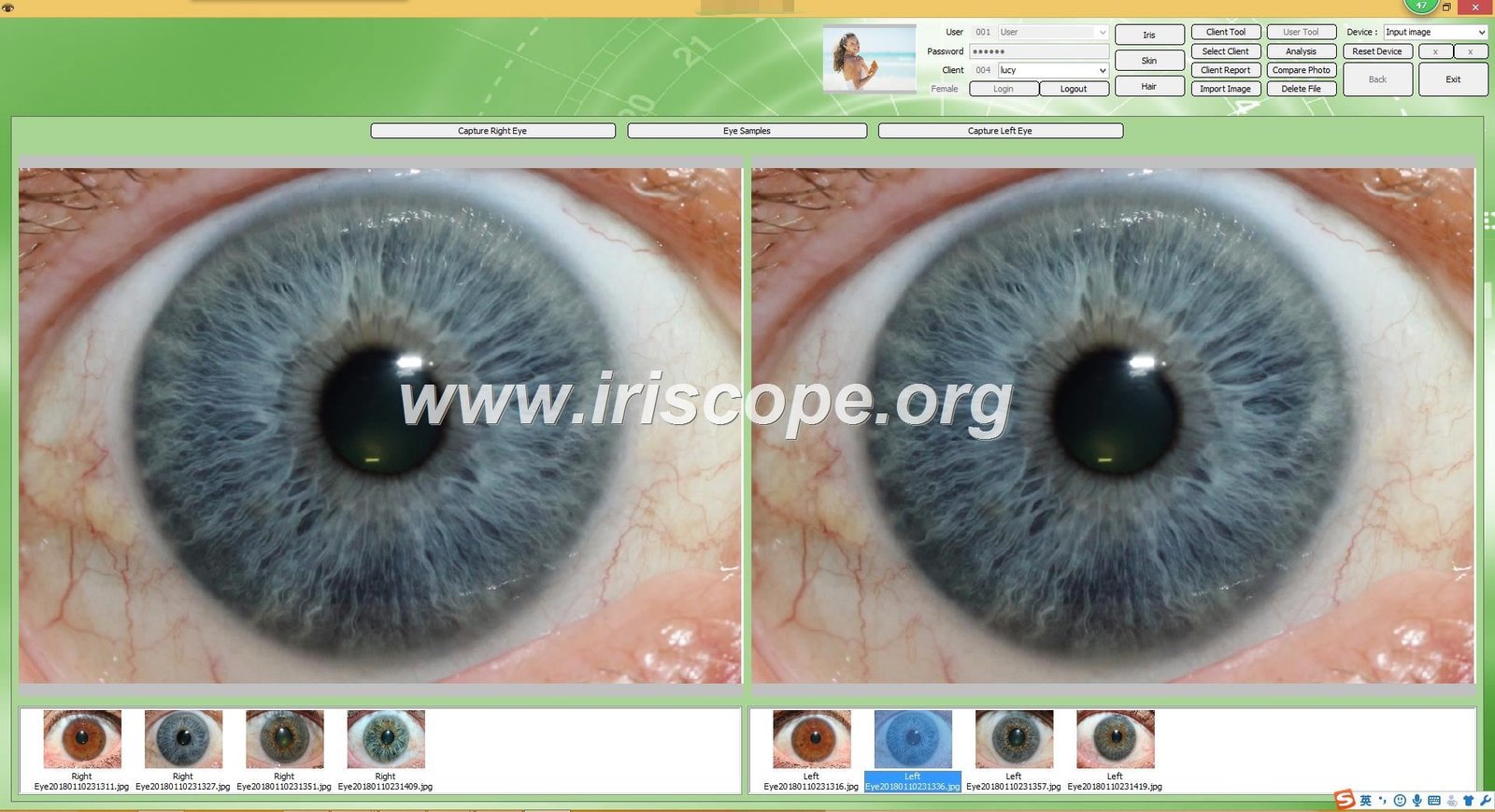
A detailed iris photograph showing various markings studied in iridology basics
Iridology basics start with understanding that the iris—the colored part of the eye—contains thousands of nerve endings connected to various parts of the body through the brain and nervous system. According to iridology theory, these connections create a detailed map that reflects the condition of organs and systems throughout the body.
Iridology is based on the scientific study of the iris. Like markings on a map, the iris reveals physiological conditions, psychological health risks, challenges, and strengths of various organs and personality traits. Through iridology basics, practitioners aim to understand past, present, and potential future health conditions by assessing various body systems.
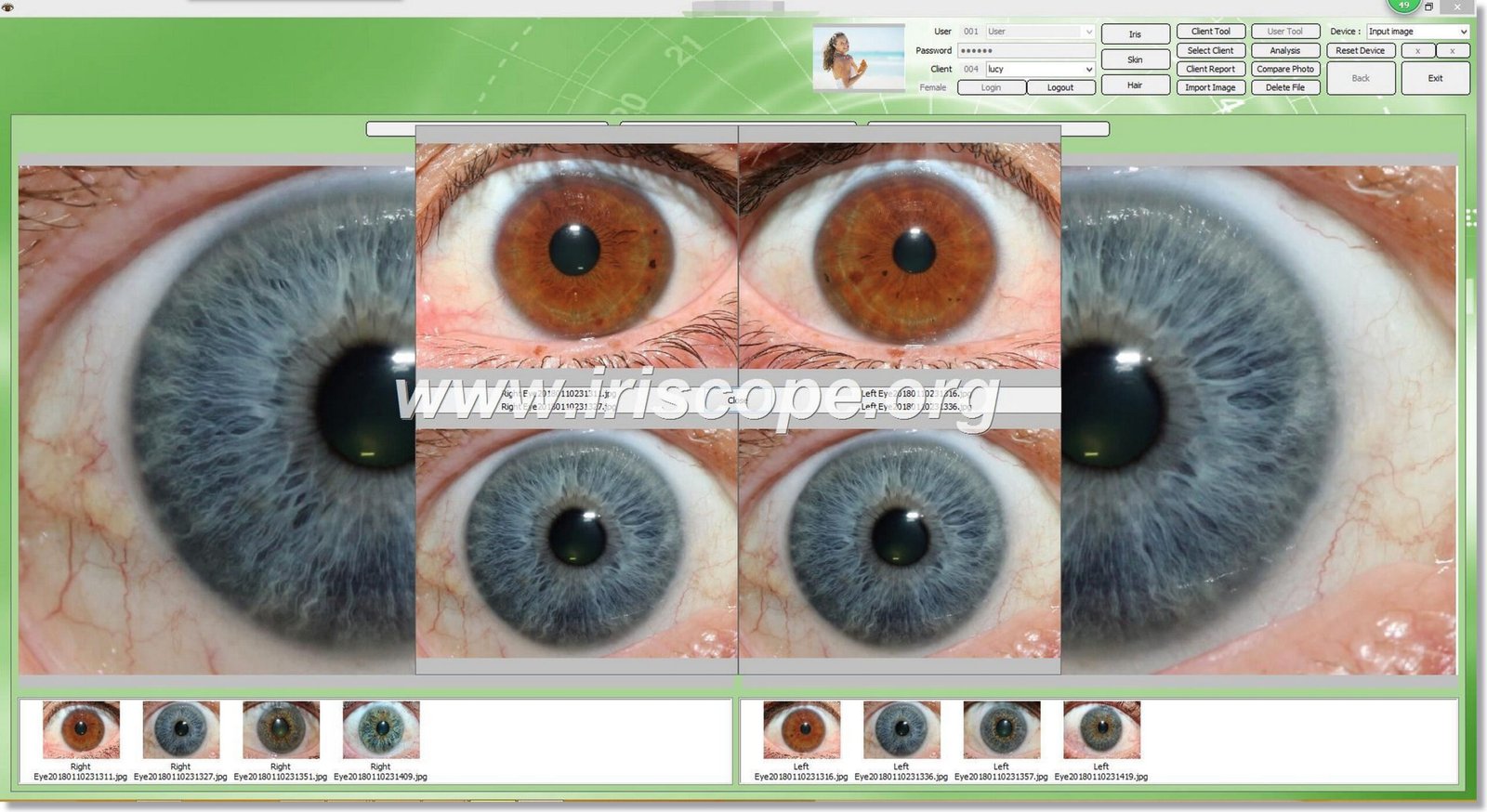
Les iridologues modernes utilisent des caméras d'iridologie ou iriscopes to capture high-resolution images of the iris. These tools allow for detailed examination of iris structures that might not be visible to the naked eye. The images are then analyzed using tableaux d'iridologie that map different areas of the iris to corresponding body parts and systems.
Explore MAIKONG Professional Iridology Equipment
Avec plus de 20 ans d'expérience R&D and manufacturing experience, MAIKONG offers state-of-the-art iridology cameras and software for practitioners and enthusiasts.
Voir nos caméras d'iridologie
The Historical Foundations of Iridology Basics
The practice of examining the iris for health insights dates back centuries, with the formal study of iridology basics beginning in the late 1600s. Understanding this rich history helps appreciate how the practice has evolved into its modern form.
Early Origins
The earliest recorded observations of iris-health connections come from ancient civilizations. However, the systematic study of iridology basics is often attributed to Philippus Meyens, who published “Chiromatica Medical” in 1670, describing the connection between iris markings and body organs.
The practice gained significant momentum in the 19th century when Hungarian physician Ignaz von Peczely published his observations on iris patterns and their correlation to health conditions. As a child, von Peczely noticed changes in an owl’s iris after the bird suffered a broken leg, which sparked his lifelong study of iris-body connections.
Modern Development
Au 20e siècle, Dr Bernard Jensen significantly advanced iridology basics in the United States, developing comprehensive iris charts and training many practitioners. His work helped standardize iridology practices and brought greater recognition to the field.
Today, modern technology has revolutionized iridology practice. High-definition digital caméras d'iridologie and sophisticated analysis logiciel have made iris examination more precise and accessible than ever before, allowing for more detailed study of iridology basics.
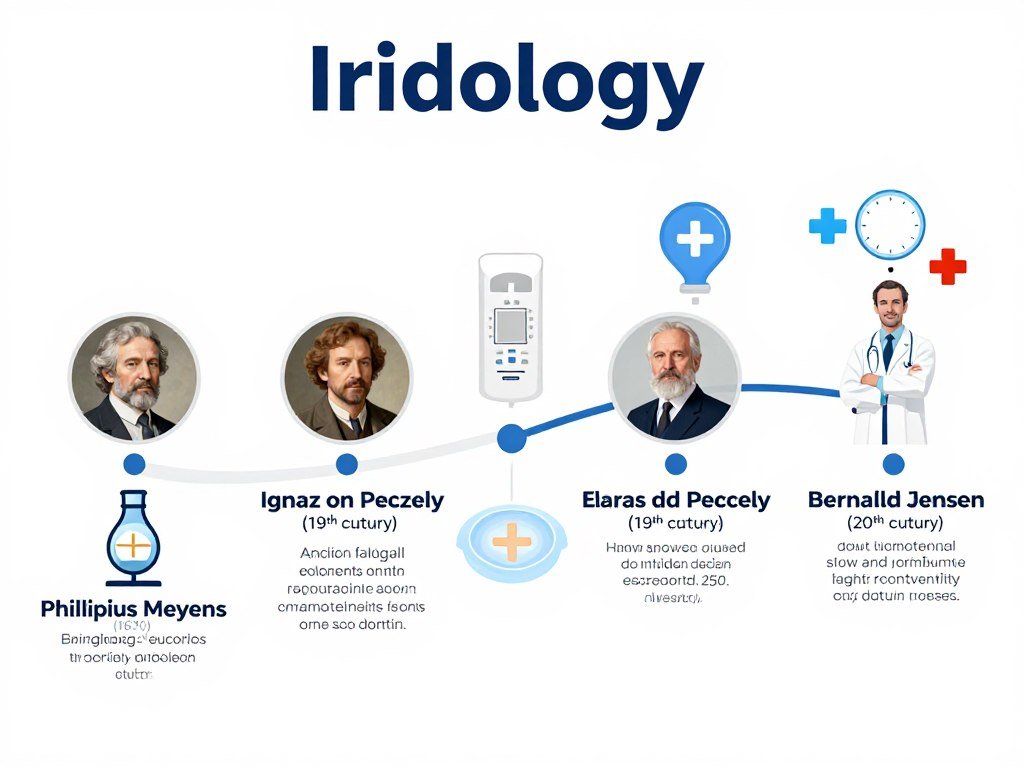
Timeline showing the evolution of iridology basics through history
Core Principles of Iridology Basics
Understanding the fundamental principles that form the foundation of iridology basics is essential for anyone interested in this practice. These principles explain how and why iridology works as a health assessment tool.

The four cornerstones of iridology basics
The four principles that form the cornerstones of iridology basics are:
- L'état des nerfs
- L'état du système sanguin et lymphatique
- Circulation adéquate
- Alimentation, qualité du repos, respiration et état d'esprit
Proponents of iridology basics appreciate its non-invasive nature, which contrasts with many conventional diagnostic procedures that can be expensive, time-consuming, and sometimes uncomfortable. However, it’s important to note that iridology is typically used as a complementary assessment tool rather than a replacement for conventional medical diagnosis.
“The eye is the window to the body’s health, revealing patterns and signs that help us understand the whole person, not just isolated symptoms.”
– Principle of holistic assessment in iridology
At MAIKONG, our caméras d'iridologie et logiciel are designed with these principles in mind, providing practitioners with the tools they need to apply iridology basics effectively in their practice.
Iris Zones and Mapping: Essential Iridology Basics
A fundamental aspect of iridology basics is understanding how the iris is mapped to correspond with different organs and body systems. These maps serve as reference guides for practitioners when analyzing iris patterns and their meanings.
Main Zones in Iridology Basics
Zone pupillaire (anneau intérieur)
La zone la plus proche de la pupille correspond au système digestif et aux organes internes. Des changements dans cette zone peuvent indiquer des conditions liées à l'estomac, aux intestins et aux fonctions digestives principales.
Zone ciliaire (anneau intermédiaire)
Cette section centrale représente les systèmes métaboliques, notamment les systèmes respiratoire, circulatoire, musculaire et squelettique. La plupart des problèmes de santé chroniques se reflètent dans ce domaine.
Couronne de nerf autonome
Cela apparaît comme une limite irrégulière ou festonnée entre les zones pupillaire et ciliaire. Il représente le système nerveux autonome et la paroi intestinale. Son intégrité peut indiquer la santé du système nerveux.
Zone périphérique (anneau extérieur)
La zone la plus externe de l'iris correspond à la peau, au système lymphatique et aux extrémités. Les signes dans cette région sont souvent liés aux processus d’élimination du corps et aux structures externes.
Additionally, the iris is divided into clock-like sectors, with each section corresponding to specific organs or body parts. For example, the liver typically appears between 7 and 8 o’clock in the œil droit, while the heart is represented between 2 and 3 o’clock in the œil gauche.
Saviez-vous? MAIKONG logiciel d'iridologie includes detailed iris maps for both the droite et gauche eyes, making it easier for practitioners to apply iridology basics in their practice.
Common Iris Markings in Iridology Basics
Learning to recognize and interpret common iris markings is a crucial part of iridology basics. These markings can appear as spots, lines, discolorations, or structural variations within the iris, each with its own significance in iridology analysis.

Various iris markings commonly analyzed in iridology basics
Marquages structurels
Lacunes
Celles-ci apparaissent sous la forme de zones ovales ou en forme de losange avec des fibres clairsemées. Différentes formes de lacunes indiquent diverses conditions :
- Lacunes comblées : Zones encapsulées suggérant des conditions chroniques
- Lacunes ouvertes : Zones encore en activité métabolique
- Lagune des torpilles : Associé aux tumeurs glandulaires
Rayon solaire
These spoke-like lines radiate from the pupil or autonomic nerve wreath toward the outer iris. They resemble bicycle spokes and may indicate toxic conditions in corresponding organs.
Anneaux et marquages circulaires
Anneaux nerveux (anneaux de stress)
These appear as circular concentric rings or depressions in the iris stroma. They indicate nervous tension and anxiety levels. Learn more about Stress sonne dans les yeux.
Anneau de cholestérol (anneau de sodium)
A white, opaque ring appearing around the outer edge of the iris. It suggests chemical imbalances related to sodium excess and potential cholesterol issues.
Marques de couleur et de pigments
Taches de pigment
Ces taches colorées apparaissent à différents endroits de l'iris et peuvent être classées par couleur :
- Taches psoriques : Décolorations brun rougeâtre indiquant des dépôts de toxines
- Taches de mélanine : Pigments bruns ou noirs suggérant des tendances dégénératives
- Toit: Pigments rougeâtres liés aux affections du foie et du pancréas
Chapelet lymphatique
A series of white dots forming a ring pattern in the iris, indicating lymphatic system congestion.
Pupil indicators in iridology basics
Indicateurs des élèves
L’élève lui-même fournit des informations précieuses en analyse iridologique :
- Pupille élargie : Peut indiquer une fatigue surrénalienne ou des effets médicamenteux
- Petite pupille : Suggère souvent un stress interne ou une influence médicamenteuse
- Élève irrégulier : Peut indiquer des problèmes de colonne vertébrale ou de dos
- Bord de pupille aplati : Peut être lié à des problèmes spécifiques à la colonne vertébrale
Practical Application of Iridology Basics
Applying iridology basics in practice involves several key steps, from proper image capture to analysis and interpretation. This section covers the practical aspects of conducting an iridology assessment.
Equipment for Iridology Basics
Essential Equipment
- Caméra d'iridologie: A specialized camera with macro capabilities for capturing detailed iris images
- Iriscope: An integrated device that combines camera and illumination for optimal iris imaging
- Logiciel d'iridologie: Programs that assist in analyzing iris images and applying iridology charts
- Cartes d'iridologie: Cartes de référence montrant la correspondance entre les zones de l'iris et les systèmes corporels
Image Capture Technique
Proper image capture is crucial for accurate iridology basics application:
- Position the subject in a comfortable, well-lit environment
- Ensure proper lighting to avoid pupil constriction or glare
- Capture both eyes separately for comprehensive analysis
- Take multiple images to ensure clarity and detail
- Store images properly for comparison over time
Analysis Process in Iridology Basics
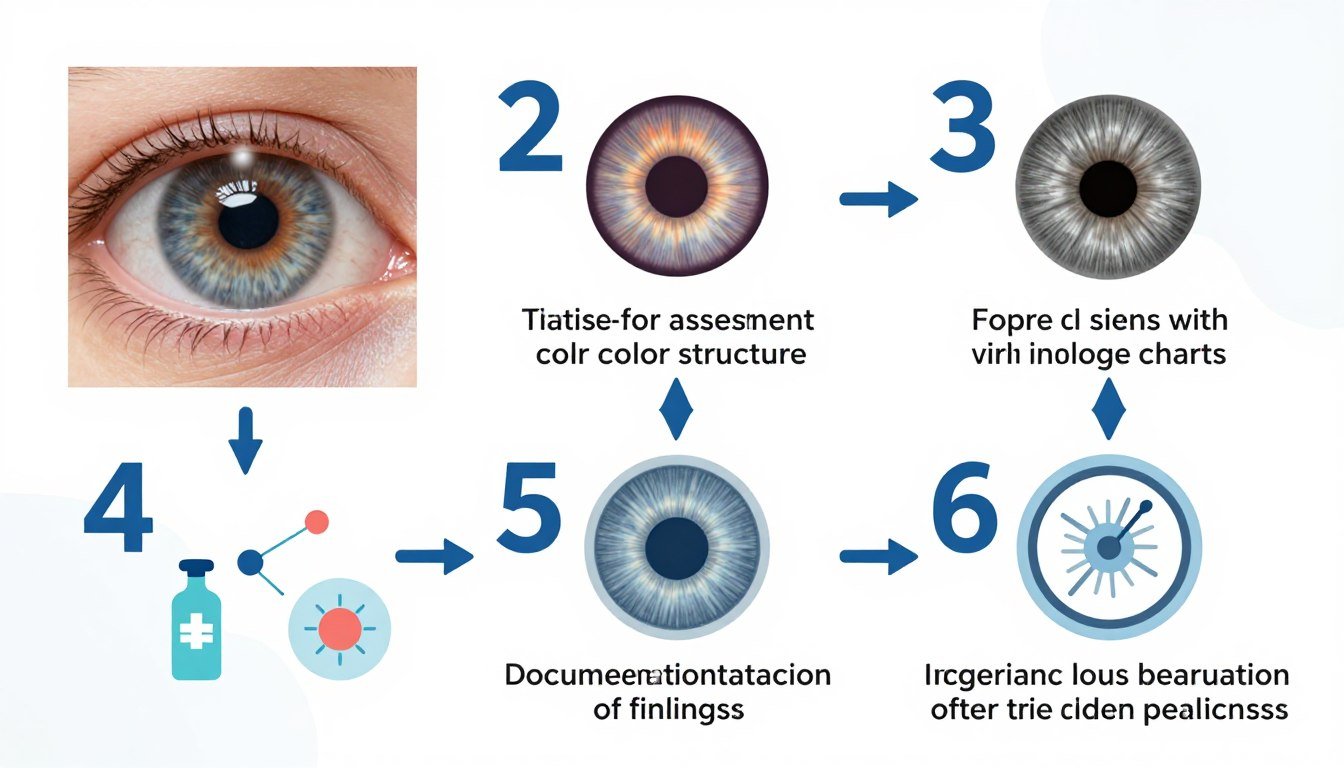
Step-by-step iridology analysis process
A systematic approach to iris analysis includes:
- Initial assessment: Observe the overall iris color, structure, and integrity
- Zone examination: Systematically analyze each iris zone (pupillary, ciliary, peripheral)
- Marking identification: Identify specific markings (lacunae, pigments, rings, etc.)
- Comparaison des graphiques: Compare findings with standard tableaux d'iridologie
- Documentation: Record observations for future reference and comparison
- Interprétation: Develop a holistic understanding of the findings
Conseil professionnel : MAIKONG logiciel d'iridologie includes automated analysis features that help practitioners apply iridology basics more efficiently, with tools for marking identification and chart overlay.
Benefits and Limitations of Iridology Basics
Understanding both the potential benefits and limitations of iridology basics is essential for a balanced perspective on this practice. This knowledge helps practitioners and clients maintain realistic expectations about what iridology can and cannot offer.
Avantages de l'iridologie
- Évaluation non invasive : Nécessite uniquement des photographies de l'iris sans gêne physique
- Approche préventive : Peut identifier les tendances avant que les symptômes ne se développent
- Perspective holistique : Prend en compte l’interconnectivité des systèmes corporels
- Fondement historique : Basé sur des siècles de pratique d’observation
- Outil complémentaire : Peut fonctionner parallèlement aux approches médicales conventionnelles
Limitations à considérer
- Validation scientifique limitée : Peu d’études contrôlées soutiennent les allégations diagnostiques
- Interpretive variations: Différents praticiens peuvent parvenir à des conclusions différentes
- Not a replacement: Doit compléter, et non remplacer, les soins médicaux conventionnels
- Facteurs génétiques : De nombreuses caractéristiques de l'iris sont héritées plutôt que développées
- Standardization challenges: Variation des normes de formation et de certification
The scientific community generally views iridology with varying degrees of acceptance. While some studies have questioned its diagnostic precision, many practitioners find value in using iridology basics as one component of a comprehensive health assessment, alongside other methods such as case history, physical examination, and laboratory testing when appropriate.

Bilan professionnel d'iridologie avec l'équipement MAIKONG
“Iridology is best understood as an assessment of constitutional tendencies and bodily terrain rather than as a diagnostic tool for specific diseases.”
– Modern perspective on iridology practice
Getting Started with Iridology Basics
For those interested in exploring iridology basics, whether as a practitioner or for personal knowledge, there are several pathways to begin your journey. This section provides guidance on education, certification, and equipment needs.
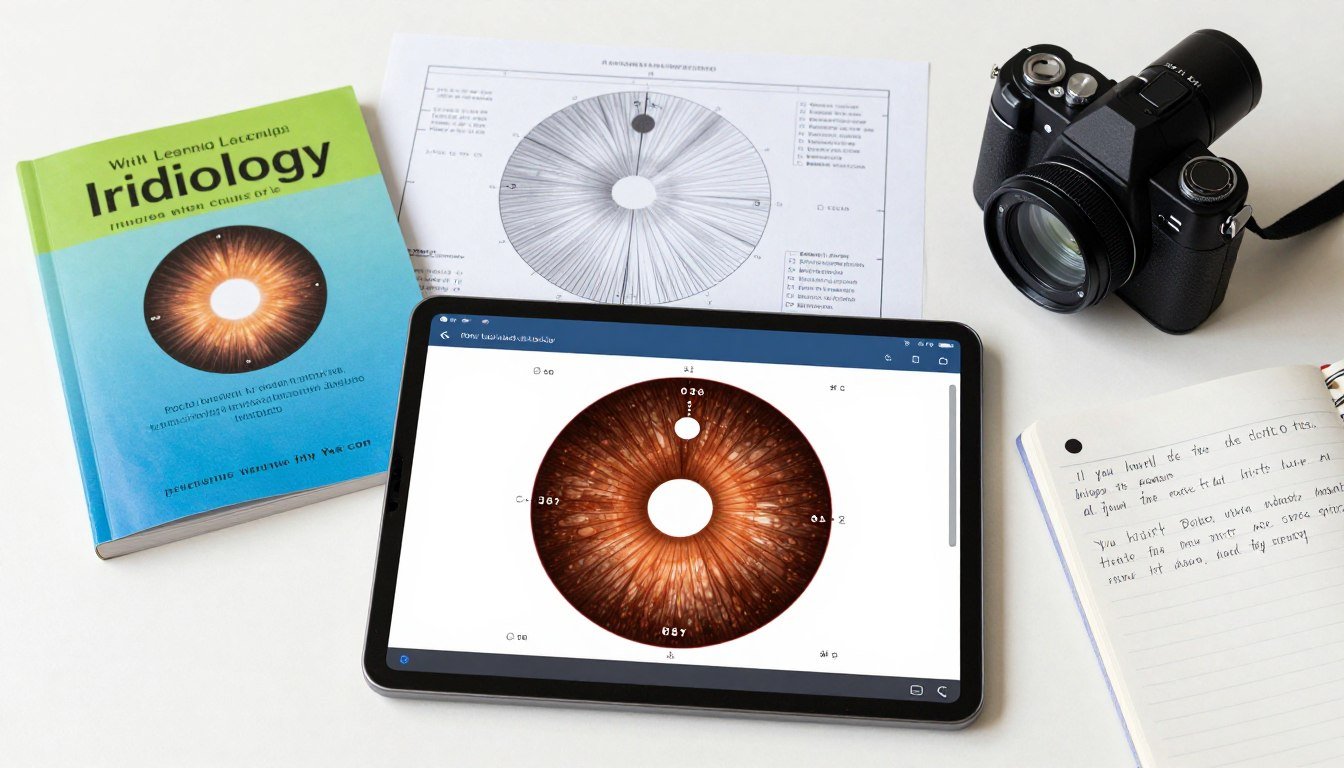
Educational resources for learning iridology basics
Éducation et certification
Building a strong foundation in iridology basics typically involves:
- Formal education: Courses in iridology fundamentals, anatomy, and physiology
- Practical training: Hands-on experience with iris analysis under supervision
- Certification: Obtention certification en iridologie from recognized organizations
- Formation continue : Staying updated with the latest research and techniques
Essential Equipment for Practitioners
To effectively apply iridology basics in practice, certain equipment is necessary:
Caméras d'iridologie
Professionnel caméras d'iridologie provide the high-resolution images needed for accurate analysis. MAIKONG offers a range of cameras suitable for both beginners and experienced practitioners.
Iriscopes
Un iriscope combines camera functionality with proper illumination for optimal iris imaging. Our models are designed for ease of use and image clarity.
Logiciel d'analyse
MAIKONG logiciel d'iridologie enhances analysis capabilities with features like chart overlay, comparison tools, and client record management.
Devenez distributeur Makong
Are you interested in representing MAIKONG’s premium iridology equipment in the US market? We’re seeking distributors and agents for our professional-grade products.
Learn About Distributorship
Conclusion: Embracing Iridology Basics for Health Insights
Iridology basics offer a fascinating window into the body’s health through the detailed examination of iris patterns and markings. This practice combines ancient observational wisdom with modern imaging technology to provide a unique perspective on health assessment. The intricate patterns, colors, and markings visible in the iris create a map that, according to iridology principles, reflects the condition of various organs and systems throughout the body.
As you continue your journey into iridology, remember that quality equipment makes a significant difference in the accuracy and effectiveness of your practice. MAIKONG’s 20+ years of experience in manufacturing professional iridology equipment ensures that practitioners have access to the best tools for applying iridology basics in their work.
Whether you’re a healthcare professional looking to expand your toolkit, a student beginning your iridology journey, or interested in distributing quality iridology equipment, we invite you to connect with MAIKONG and discover how our expertise and products can support your goals.
Commencez votre voyage en iridologie avec Maikong
Explore our range of professional iridology equipment and take your practice to the next level.
Visitez notre site Web