The practice of iridology—analyzing the iris of the eye to assess health conditions—has a rich and fascinating history dating back centuries. At the center of this alternative health practice stands a singular figure recognized worldwide as the father of iridology. Dr. Ignaz von Peczely, a 19th-century Hungarian physician, established the foundational principles that would evolve into modern iridology. His groundbreaking observations and systematic approach to iris analysis created a framework that practitioners continue to build upon today. This comprehensive exploration delves into von Peczely’s life, his revolutionary discoveries, and the enduring legacy that has shaped how we understand the relationship between the iris and human health.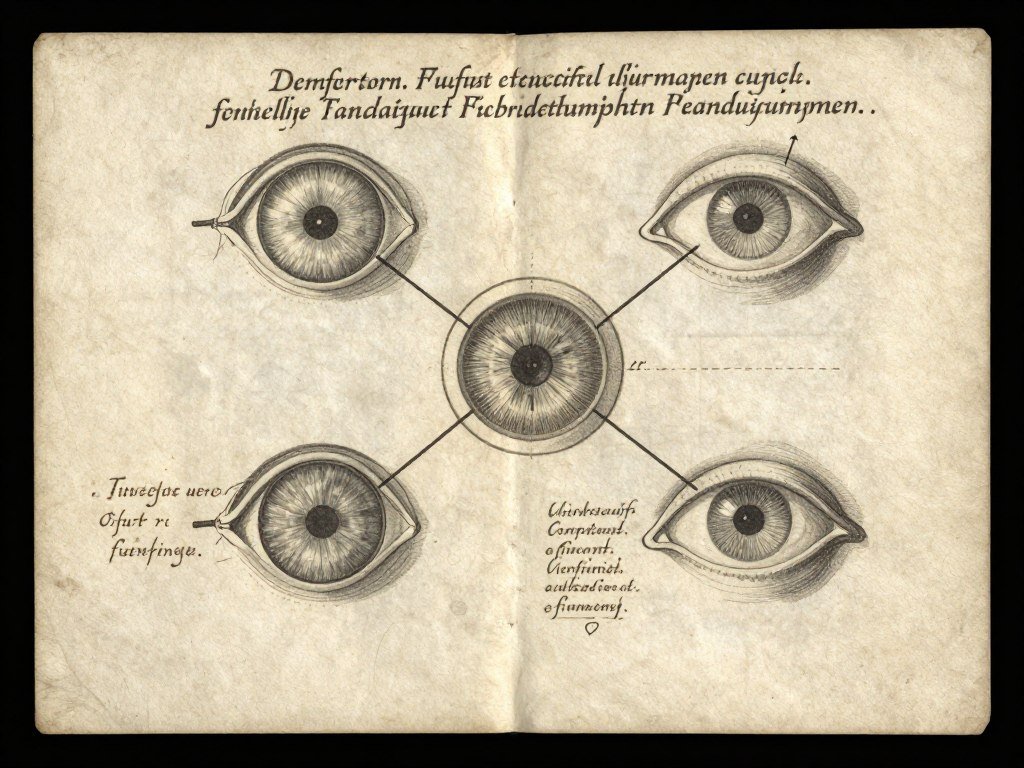


The Early History of Iris Analysis
Long before the father of iridology formalized his theories, various civilizations had recognized potential connections between the eyes and health. References to the diagnostic potential of the eyes can be traced back to ancient Babylonia, where some scholars believe the Chaldeans left stone slabs depicting iris markings and their meanings. Throughout history, physicians and healers observed changes in the eyes during illness, though these observations remained largely unsystematic.
The first documented writing specifically on iris analysis appears in Chiromatica Medica, published in 1665 by Philippus Meyeus (Philip Meyen von Coburg) and reprinted in 1670 and 1691. This early text described how different parts of the iris might correspond to various body regions and conditions—a primitive forerunner to the more comprehensive mapping that would later emerge.
Early medical text showing primitive iris-body correlations from the 17th century
While these early observations provided some foundation, they lacked the systematic approach and theoretical framework that would later define iridology as a distinct practice. It would take the keen observations and dedicated research of a Hungarian physician to transform these scattered insights into a cohesive diagnostic method.
Ignaz von Peczely: The True Father of Iridology
Born in 1826 in Hungary, Ignaz von Peczely is universally recognized as the founding father of iridology. His journey into iris analysis began with a childhood observation that would later inspire his life’s work. As the story goes, at age 11 in 1836, young Ignaz was attempting to free an owl caught in his garden when the bird broke its leg during the struggle. At that moment, he noticed a prominent dark mark appear at the six o’clock position in the owl’s iris.
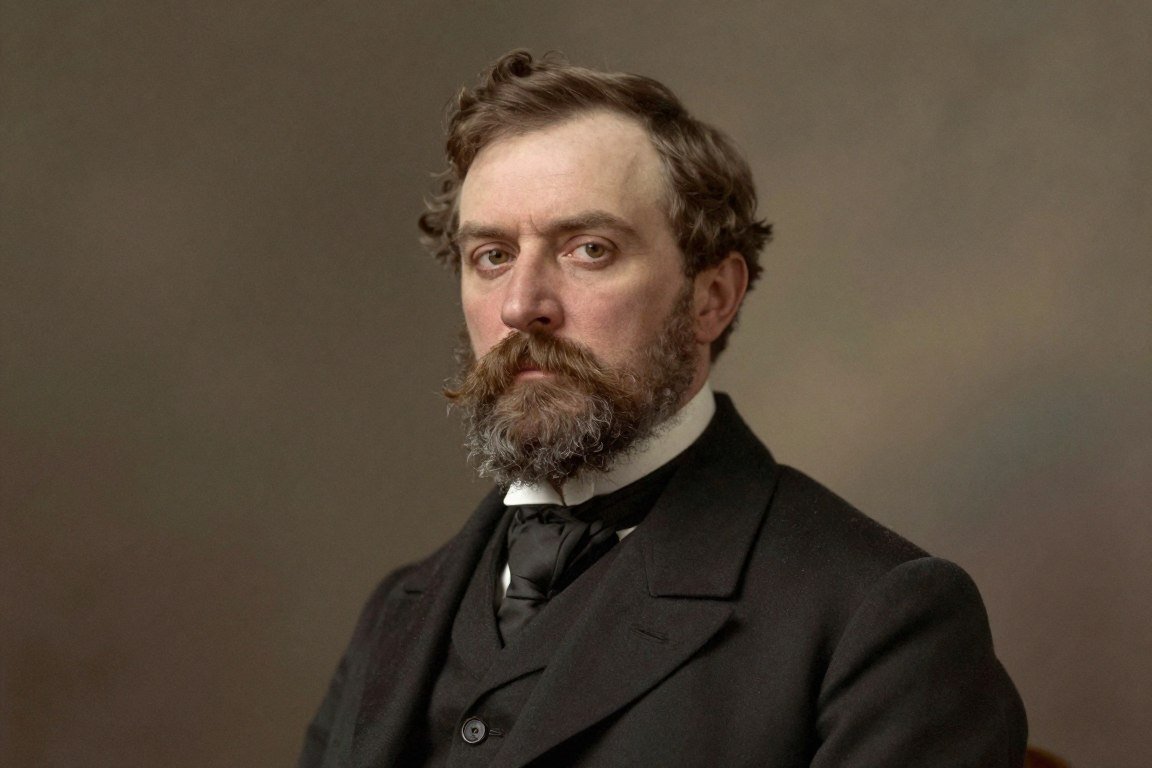
Dr. Ignaz von Peczely (1826-1911), the founding father of modern iridology
This curious observation stayed with von Peczely as he nursed the owl back to health. He noticed that while the dark mark in the iris remained, it gradually developed white lines around it as the leg healed. This correlation between physical injury and changes in the iris sparked his lifelong fascination with what would become iridology.
Von Peczely went on to study medicine formally at the University of Budapest in 1862 and Vienna in 1864. As a physician, he had the opportunity to observe patients’ eyes before and after surgeries, noting correlations between iris markings and specific health conditions. His medical training provided him with the scientific background to begin systematically documenting these observations.
Von Peczely’s Breakthrough Research
What truly established von Peczely as the father of iridology was his methodical approach to research. Unlike earlier observers who made scattered notes about eye changes, von Peczely conducted systematic studies in hospital settings. He examined patients’ irises before and after operations, performed autopsies to confirm his findings, and meticulously documented the correlations he discovered.
His research led him to develop the first comprehensive iris chart in history, mapping specific regions of the iris to corresponding organs and systems in the body. This topographical approach to the iris created a framework that would become the foundation of all future iridology practice.

Recreation of von Peczely’s groundbreaking iris chart mapping body regions to iris zones
Von Peczely published his first work on iridology in 1873, followed by more comprehensive publications in the 1880s. His most significant contribution came in 1881 with the publication of Discoveries in the Realms of Nature and Art of Healing, which presented his iris diagnostic method to the medical community. This pioneering text established him firmly as the father of iridology and provided the first systematic approach to iris analysis for health assessment.
Key Principles Established by the Father of Iridology
Von Peczely’s work established several fundamental principles that continue to guide iridology practice today:
- Topographical Correspondence – Different regions of the iris correspond to specific organs and body systems
- Constitutional Assessment – The iris reveals inherent strengths and weaknesses in the body
- Iris Signs – Specific markings, colors, and patterns in the iris indicate particular health conditions
- Temporal Indicators – The iris can show both past health events and potential future tendencies
- Holistic Perspective – The iris provides a comprehensive view of the body’s interconnected systems
Von Peczely’s most revolutionary insight was his observation that the iris could reveal health conditions before physical symptoms appeared elsewhere in the body. This predictive aspect of iridology was captured in his famous saying, “Hic signum ubi ulcus” (here is the sign but where is the disease?), expressing his fascination with how iris markings could precede detectable symptoms.
His approach focused primarily on the structural aspects of the iris—the location and appearance of markings—rather than color changes, which would become a focus of later iridologists. This topographical approach established the foundation upon which all subsequent iris charts would be built.
Nils Liljequist: The Second Father of Iridology
While Ignaz von Peczely is universally recognized as the primary father of iridology, history also acknowledges another significant pioneer who developed similar theories independently around the same time. Nils Liljequist (1851-1936), a Swedish homeopath and priest, is often considered the “second father” of iridology.
Liljequist’s journey into iridology began through personal experience. After being treated with quinine and iodine for enlarged lymph nodes following a vaccination, he noticed changes in his own iris color. This observation led him to study how medications and toxins affected the iris, developing a different but complementary approach to von Peczely’s work.
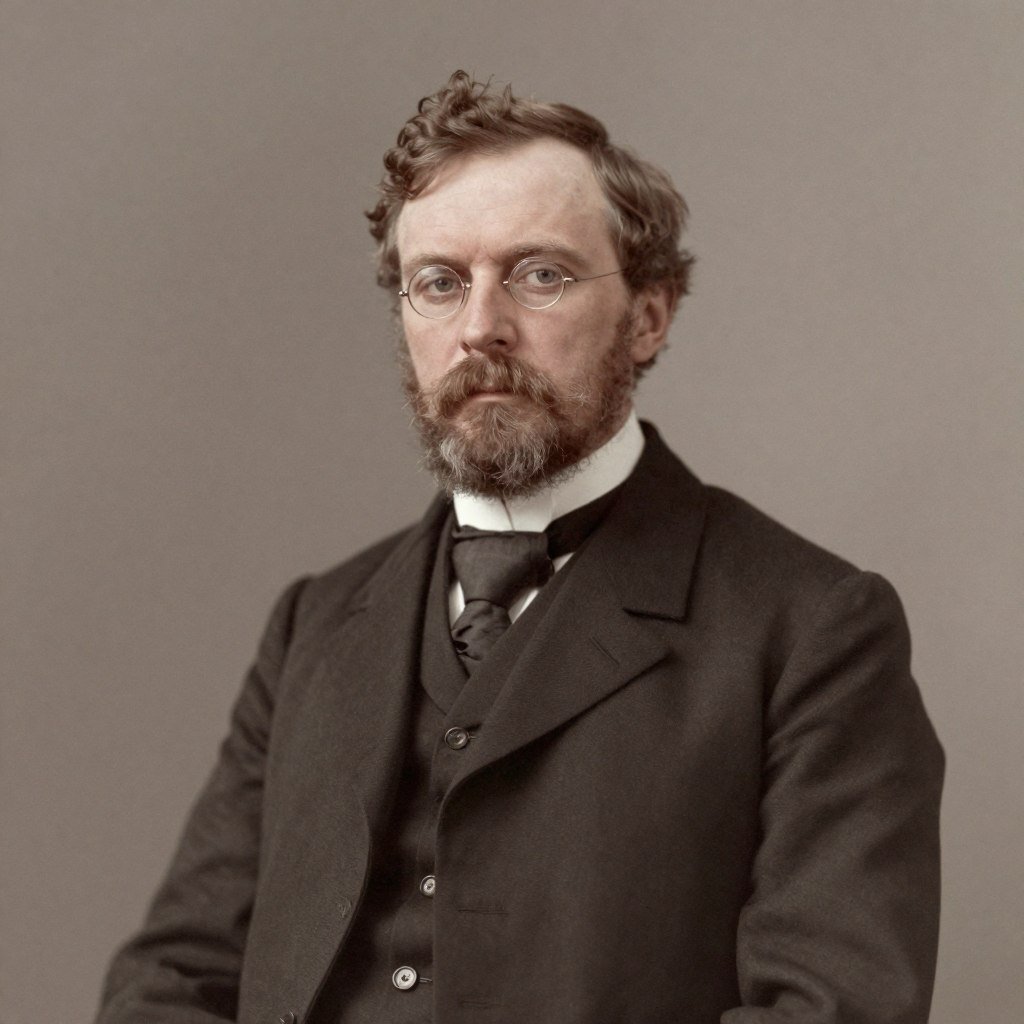
Nils Liljequist (1851-1936), who independently developed iridology theories in Sweden
While von Peczely focused primarily on the structural aspects and locations of iris markings, Liljequist emphasized the significance of iris pigmentation and color changes, particularly those induced by medications and toxins. His work Om Oegendiagonesen (Diagnosis from the Eye), published in 1893, included 258 black and white drawings and 12 colorized iris illustrations.
Liljequist’s most notable contribution was his discovery of what he called the “epileptic center” in the iris—a specific pattern he observed consistently in patients with epilepsy. This finding demonstrated the potential for iridology to identify specific neurological conditions through iris analysis.
The complementary work of these two pioneers—von Peczely with his structural mapping and Liljequist with his focus on pigmentation—created a more comprehensive foundation for iridology than either could have established alone. Together, they are honored as the founding fathers of modern iridology.
Evolution of Iridology After Its Founding Fathers
Following the groundbreaking work of the father of iridology and his contemporaries, the practice continued to evolve through the contributions of numerous practitioners across Europe and later in the United States. Each added new dimensions to the foundational principles established by von Peczely and Liljequist.
European Development
In Europe, particularly in Germany, iridology found fertile ground for development. Practitioners like Pastor Emmanuel Felke (1856-1926), Rudolf Schnabel (1882-1962), and Josef Deck (1914-1992) refined and expanded the original iris charts, developing more detailed mappings and constitutional typologies.
Josef Deck, often considered Europe’s foremost iridologist of the mid-20th century, introduced the constitutional model of iridology. He viewed the iris as a genetically inherited structure that revealed predispositions to particular diseases rather than just current conditions. His approach emphasized that iris markings indicated tendencies or weaknesses that might manifest as disease under certain conditions.
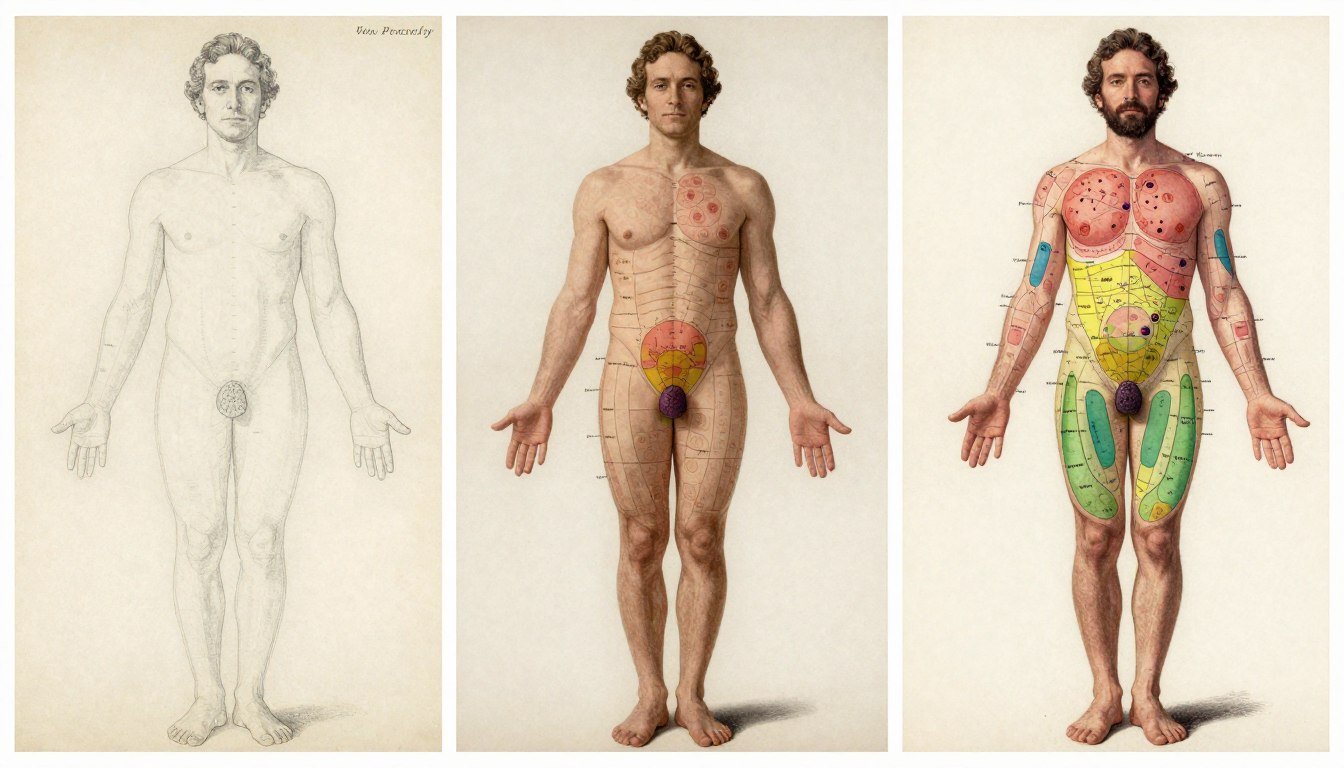
The evolution of iridology charts from von Peczely’s original to modern detailed versions
American Iridology
Iridology reached the United States in the early 20th century through practitioners like Henry Lahn (later Lane) and Henry Lindlahr. However, it was Bernard Jensen (1908-2001) who truly established iridology in North America and is often called the “father of American iridology.”
Jensen, originally trained as a chiropractor, became fascinated with iridology in the 1930s. He studied under various teachers, including Dr. F.W. Collins, and went on to develop what would become the most widely used iris chart in the world. Jensen’s approach integrated European traditions with his own clinical observations from examining over 350,000 patients throughout his career.
Jensen’s contribution was not just in refining iris charts but in making iridology more accessible through his extensive writings and teaching. His two-volume work, The Science and Practice of Iridology, became foundational texts for students of iridology worldwide. He also pioneered the use of color photography for iris analysis, significantly advancing the technical aspects of the practice.
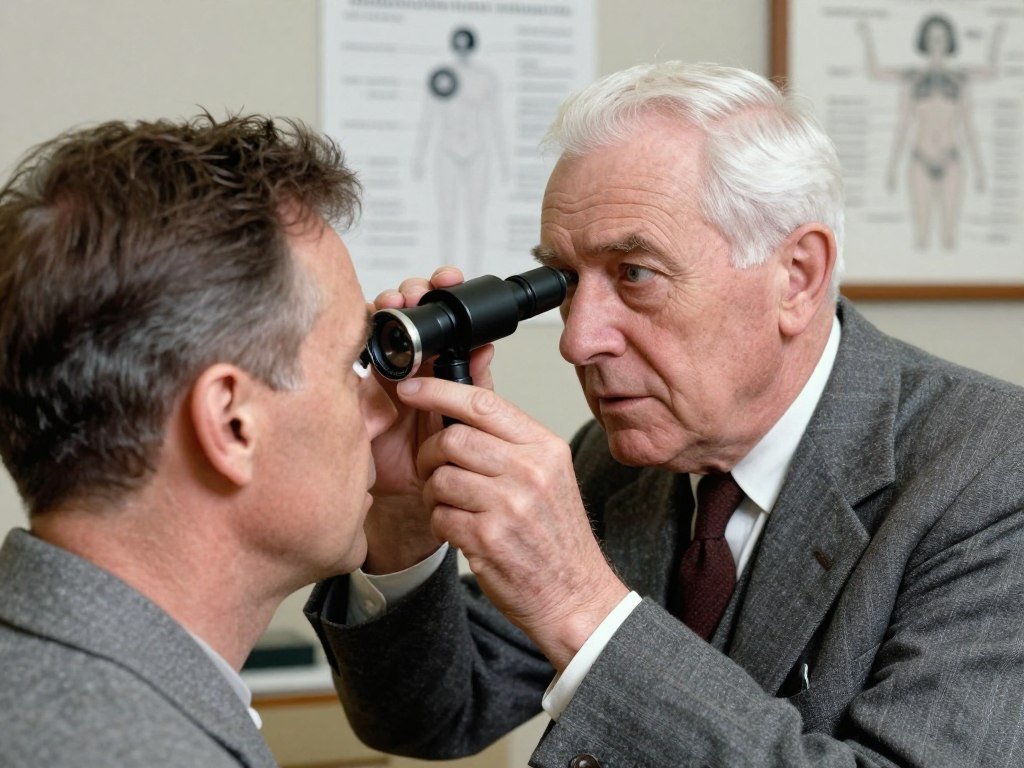
Bernard Jensen, who popularized iridology in America, demonstrating iris analysis techniques
Modern Iridology Practice and Technology
The vision of the father of iridology has evolved dramatically with technological advancements. What began with von Peczely’s naked-eye observations has transformed into a practice enhanced by sophisticated digital imaging and analysis tools. Today’s iridologists benefit from technology that the founding fathers could only have dreamed of.
Explore Modern Iridology Equipment
MAIKONG brings over 20 years of expertise in developing professional iridology equipment that builds upon the foundational principles established by the father of iridology. Our advanced digital iriscopes and cameras allow practitioners to capture high-resolution iris images for detailed analysis.
Discover Our Iridology Cameras
Digital Iridology
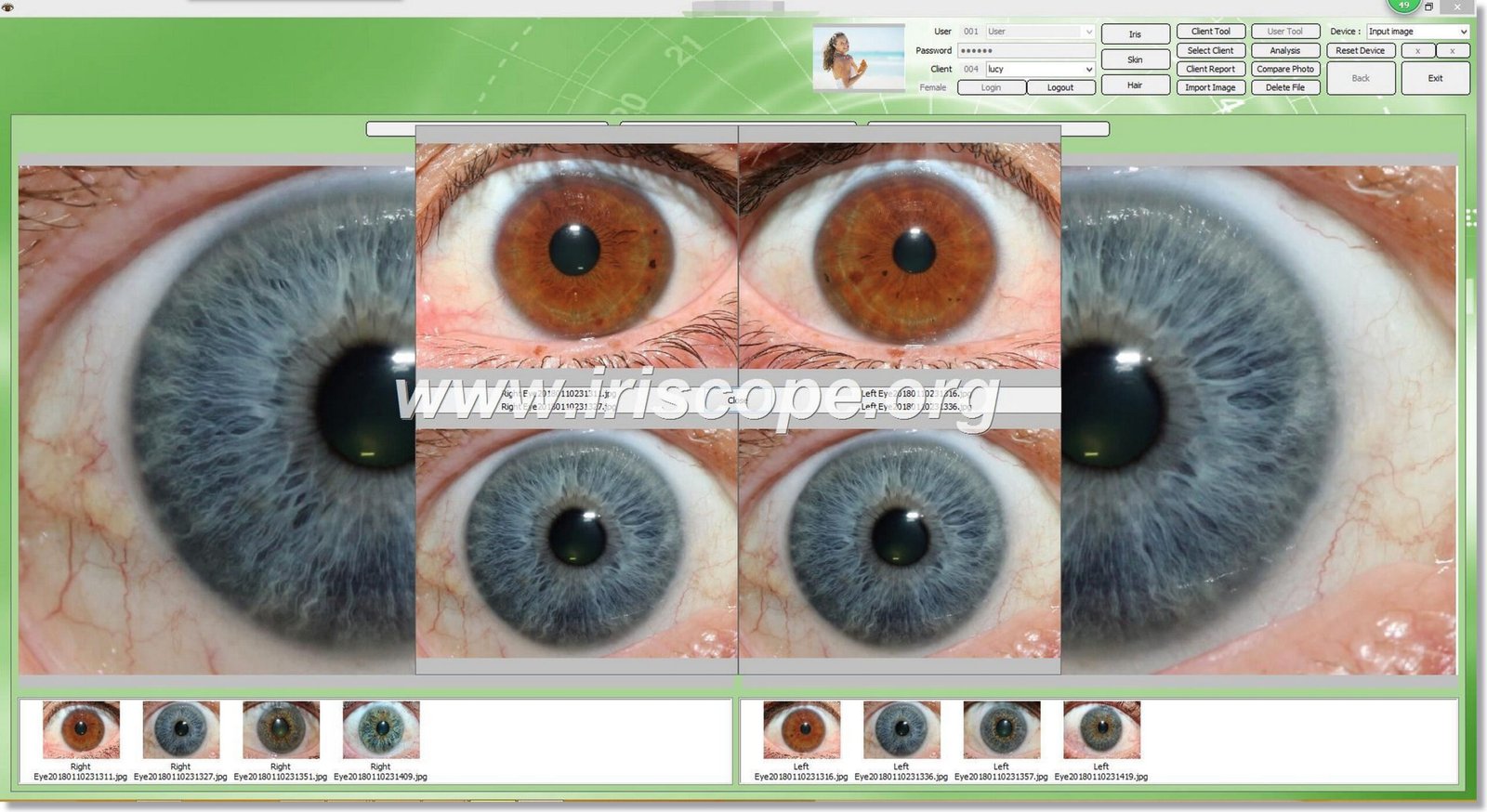
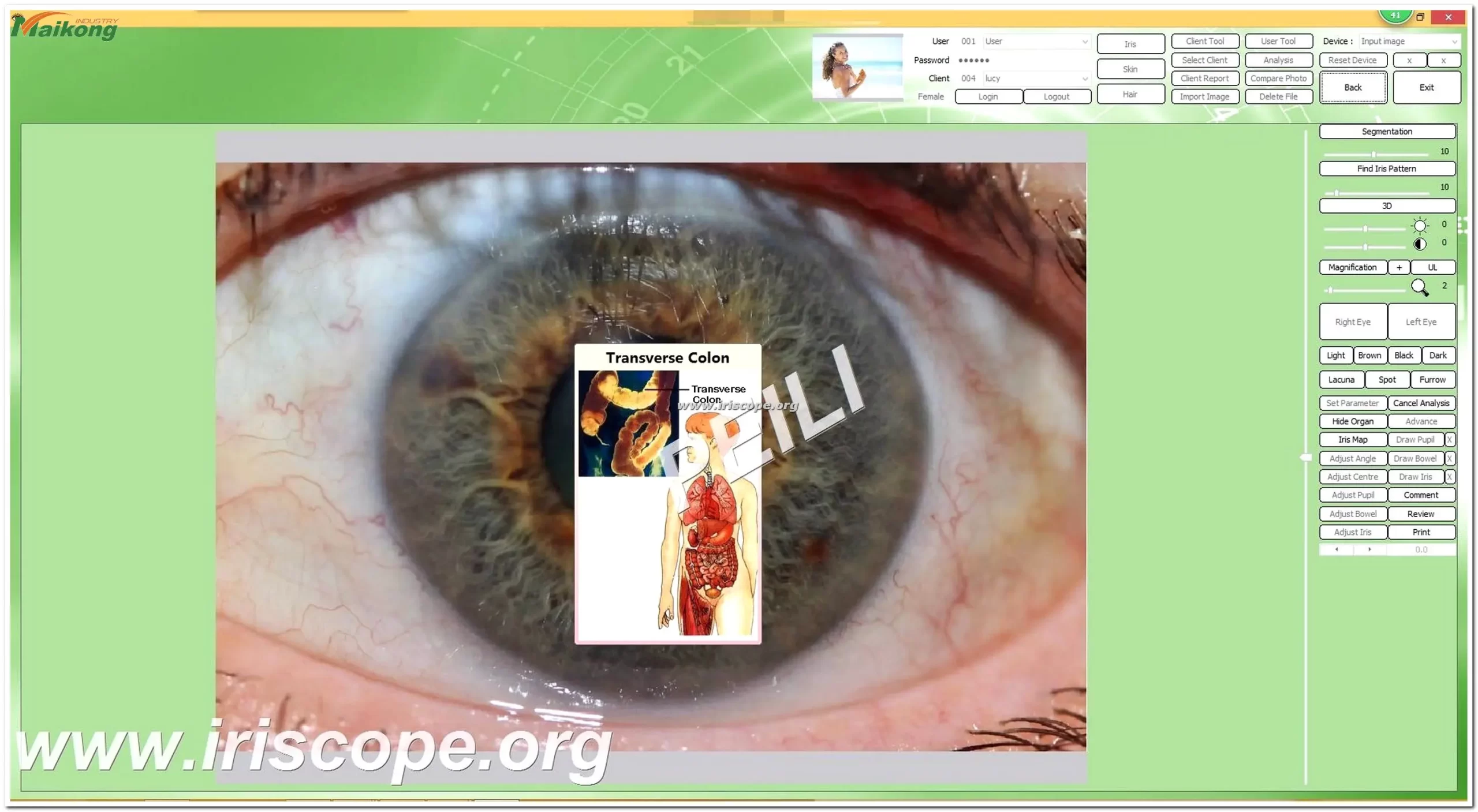
Modern iridology has embraced digital technology, with high-resolution cameras and specialized software replacing the magnifying glasses and flashlights used by earlier practitioners. These technological advances allow for more precise observation and documentation of iris features, enhancing both analysis and patient education.
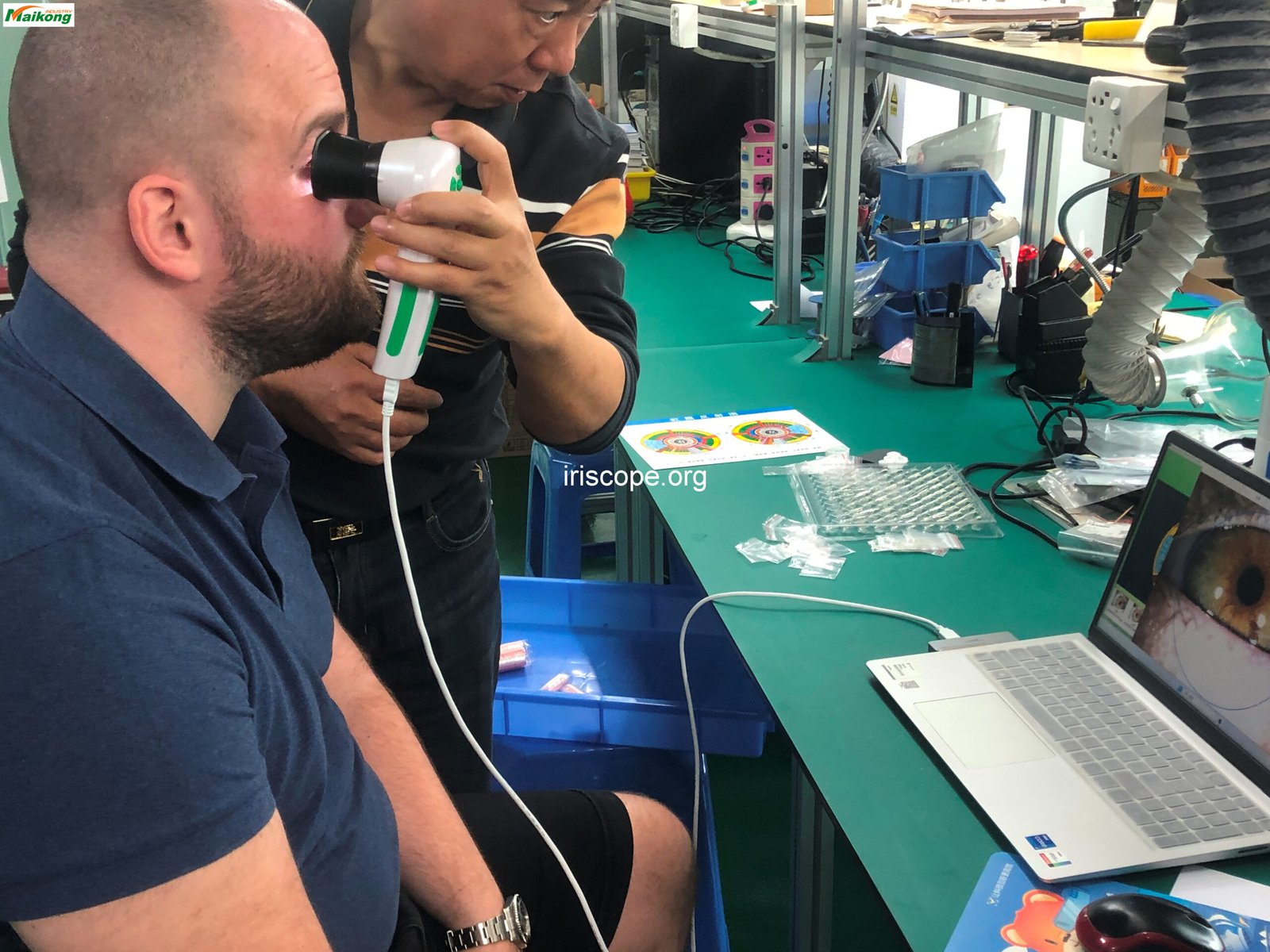
State-of-the-art digital iridology camera system for precise iris analysis
Digital iridology cameras can now capture microscopic details of the iris that would be invisible to the naked eye. Specialized software can then analyze these images, applying iris charts and highlighting areas of interest for the practitioner. Some advanced systems even offer automated analysis based on algorithms derived from traditional iridology principles.
These technological advances have made iridology more accessible and standardized, allowing practitioners to maintain detailed records of iris changes over time and share findings with patients in a more visual and understandable format.
Iridology Charts
Modern iridology charts have evolved from von Peczely’s original mapping to include more detailed and nuanced interpretations. Today’s charts often integrate insights from multiple traditions and are available in digital formats that can be overlaid on iris images for analysis.
Explore Iridology Charts
Iridology Software
Specialized software now allows practitioners to analyze iris images with unprecedented detail, applying various filters and overlays to highlight specific features. These digital tools make it easier to document findings and track changes over time.
Discover Iridology Software
Scientific Perspective on Iridology
While the father of iridology established his principles based on careful observation, the scientific community has maintained a skeptical stance toward iridology. The practice has faced challenges in gaining widespread acceptance within conventional medicine, primarily due to limited scientific validation through controlled studies.
Supporting Arguments
- The iris contains thousands of nerve endings connected to the brain
- Anecdotal success reported by many practitioners
- Non-invasive nature makes it an attractive complementary assessment tool
- Some studies have shown correlations between specific iris signs and certain conditions
Critical Perspectives
- Limited peer-reviewed research supporting diagnostic claims
- Studies from 1999 and 2000 found insufficient evidence for iridology’s efficacy
- Conventional medical community points to the iris’s relative stability throughout life
- Concerns about potential misdiagnosis if used as a primary diagnostic tool
Despite these challenges, iridology continues to be practiced worldwide as a complementary assessment method. Many practitioners view it not as a diagnostic tool in the conventional medical sense but as a way to identify constitutional tendencies and potential areas of weakness that might benefit from preventive care.
The debate around iridology highlights the ongoing tension between traditional observational medicine and the evidence-based approach of modern science. While more research is needed to validate specific claims, many practitioners find value in the holistic perspective that iridology provides.
Global Perspectives on the Father of Iridology’s Legacy
The legacy of the father of iridology has spread globally, with different regions developing their own approaches while maintaining the core principles established by von Peczely. Today, iridology is practiced on every continent, with particularly strong traditions in Europe, the Americas, Australia, and increasingly in Asia.
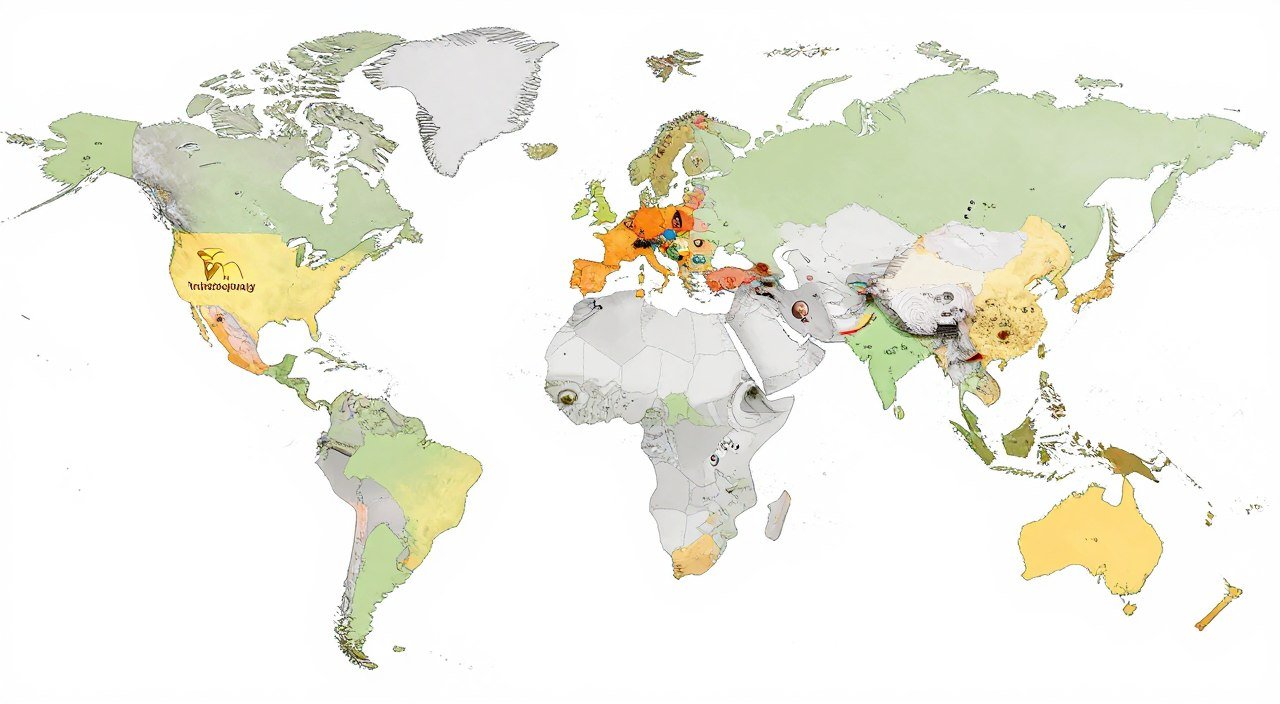
The global spread of iridology practice from its European origins
Regional Approaches
Different regions have developed distinct approaches to iridology:
| Region |
Key Characteristics |
Notable Practitioners |
| German/European |
Focus on constitutional types and genetic predispositions |
Josef Deck, Rudolf Schnabel, Willy Hauser |
| American |
Integration with nutrition and natural healing |
Bernard Jensen, Ellen Tart-Jensen, John Andrews |
| Russian |
Scientific approach with medical integration |
Evgeny Velkhover, Iossif Makartchuk |
| Latin American |
Integration with traditional healing practices |
Manuel Lezaeta Acharan, Vincente Ferrandiz |
| Australian |
Synthesis of European and American approaches |
Toni Miller, Milo Milosevic |
Despite these regional variations, all approaches trace their lineage back to the foundational work of the father of iridology. The principles established by von Peczely continue to inform practice worldwide, even as they are adapted to different cultural and healthcare contexts.
Practical Applications of the Father of Iridology’s Principles
The principles established by the father of iridology continue to guide practitioners in various applications today. Modern iridologists apply these foundational concepts using advanced technology while maintaining the core approach that von Peczely pioneered.
Common Applications in Modern Practice
- Constitutional Assessment – Identifying inherent strengths and weaknesses in body systems
- Nutritional Guidance – Suggesting dietary adjustments based on constitutional tendencies
- Preventive Health – Recognizing potential health issues before symptoms manifest
- Complementary Assessment – Supporting other diagnostic methods with additional insights
- Monitoring Progress – Tracking changes in the iris as health improves
Today’s practitioners benefit from technological advances that allow for more precise observation and documentation than was possible in von Peczely’s time. High-resolution digital cameras can capture microscopic details of the iris, while specialized software can help analyze these images according to traditional principles.
Enhance Your Iridology Practice
MAIKONG offers professional iridology equipment designed for practitioners who value the principles established by the father of iridology while embracing modern technology. Our products combine traditional wisdom with cutting-edge innovation.
Explore Our Iriscope Collection
The Enduring Legacy of the Father of Iridology
The vision and dedication of Ignaz von Peczely, the recognized father of iridology, created a foundation that has supported nearly 150 years of continued practice and development. From his initial observations of an injured owl to his systematic mapping of iris-body correspondences, von Peczely’s contributions transformed scattered observations into a cohesive approach to health assessment.
Today, as practitioners around the world continue to apply and refine his principles using advanced technology, the legacy of the father of iridology remains vibrant and evolving. While scientific debate continues, the practice he pioneered offers a unique perspective on human health that many find valuable as a complementary approach to wellbeing.
The journey that began with von Peczely’s curious observation continues today through the work of countless practitioners who carry forward his fundamental insight: that the iris, with its intricate patterns and markings, may indeed offer a window into the body’s condition and constitutional tendencies.
Continue the Legacy with MAIKONG
For over 20 years, MAIKONG has been committed to advancing the practice of iridology through innovative technology and professional equipment. Whether you’re an established practitioner or just beginning your journey in iridology, we offer the tools you need to apply the principles established by the father of iridology in today’s world.
Contact us to learn more about our products or to discuss becoming a distributor.
Email: Lucy@iriscope.org
Contact Us Today