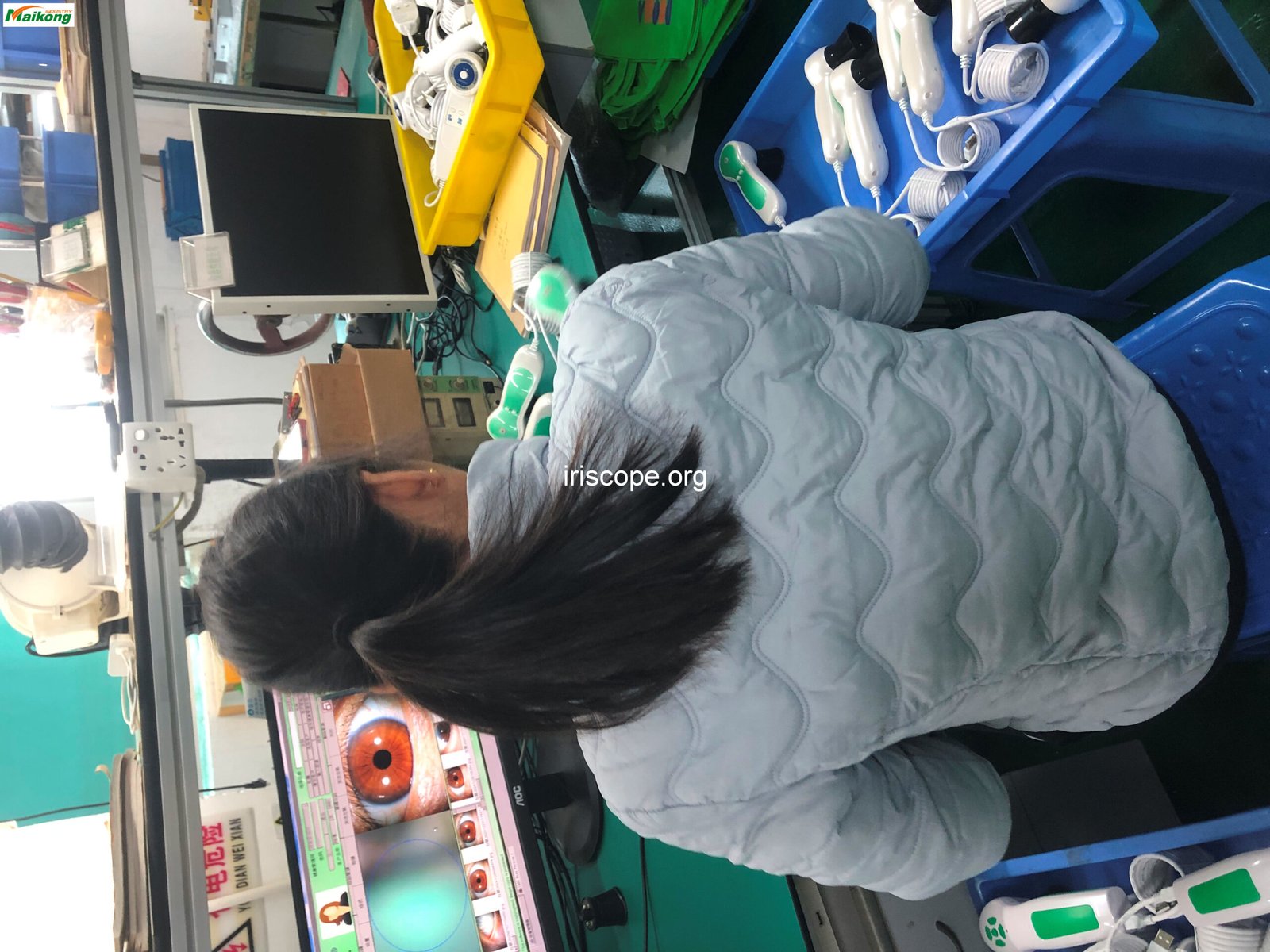
The practice of iridology—analyzing the iris to detect health conditions—has sparked debate for decades. Proponents claim the iris reveals valuable insights about our health, while skeptics question its scientific validity. This comprehensive guide explores the evidence behind iridology accuracy, the factors affecting reliable diagnosis, and how modern technology is reshaping this alternative health practice.
Iridology’s roots trace back to the 19th century when Hungarian physician Ignaz von Peczely reportedly noticed changes in an owl’s iris after the bird suffered a broken leg. This observation led him to develop the first iridology chart in 1881, mapping connections between iris markings and various organs and systems in the body.
Von Peczely’s work laid the groundwork for modern iridology, but it was American chiropractor Bernard Jensen who significantly advanced the practice in the mid-20th century. Jensen created detailed iris charts that remain influential today, establishing systematic approaches to analyzing iris patterns and their potential health implications.
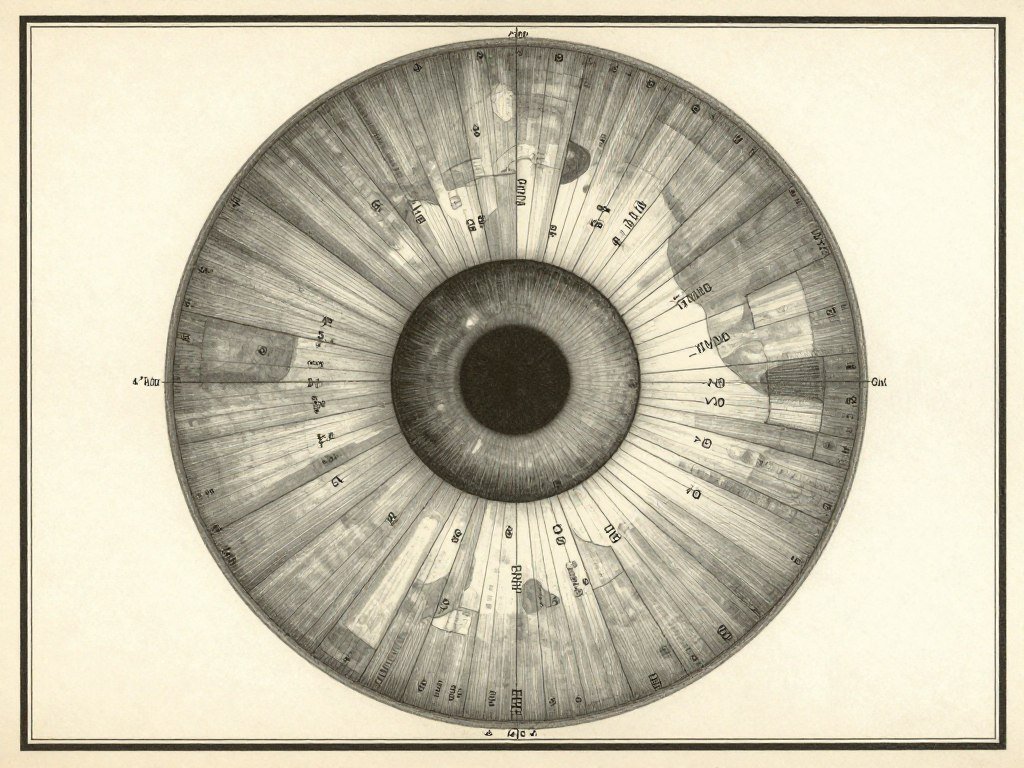
Historical iridology chart developed by early practitioners to map iris zones to body systems
Pioneers and Their Claims About Iridology Accuracy
Early iridology pioneers made bold claims about the practice’s diagnostic capabilities. Jensen, whose work you can explore further on our Bernard Jensen Iridology page, asserted that properly trained practitioners could identify developing health issues before conventional symptoms appeared.
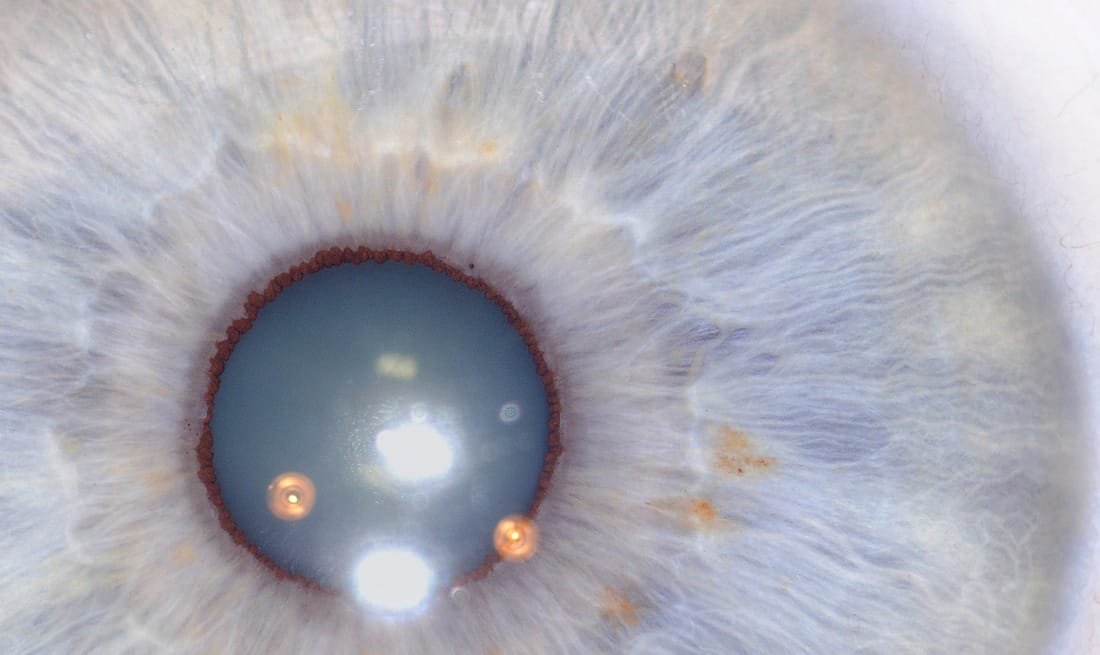
These early proponents believed the iris contained a complete “map” of the body, with each section corresponding to specific organs and systems. They claimed that changes in iris color, structure, and markings directly reflected health changes throughout the body—essentially functioning as an early warning system for disease.
Understanding the Principles: How Iridology Works
The fundamental principle behind iridology is that the iris connects to every organ and tissue in the body through the nervous system and energy pathways. According to this theory, when an organ or system experiences stress, inflammation, or dysfunction, corresponding changes appear in specific areas of the iris.

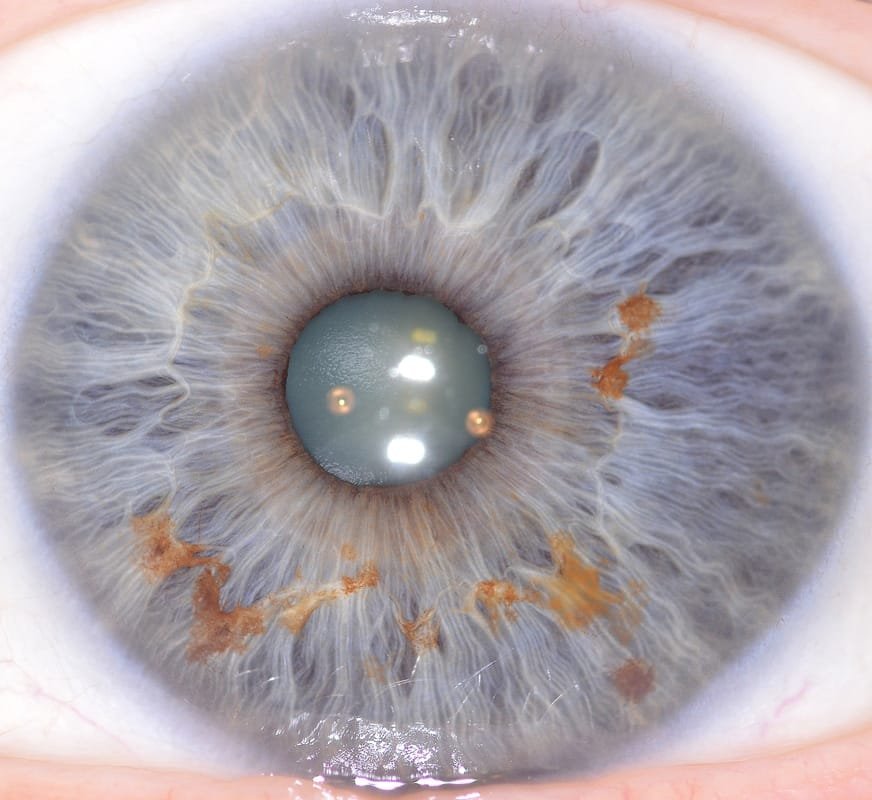
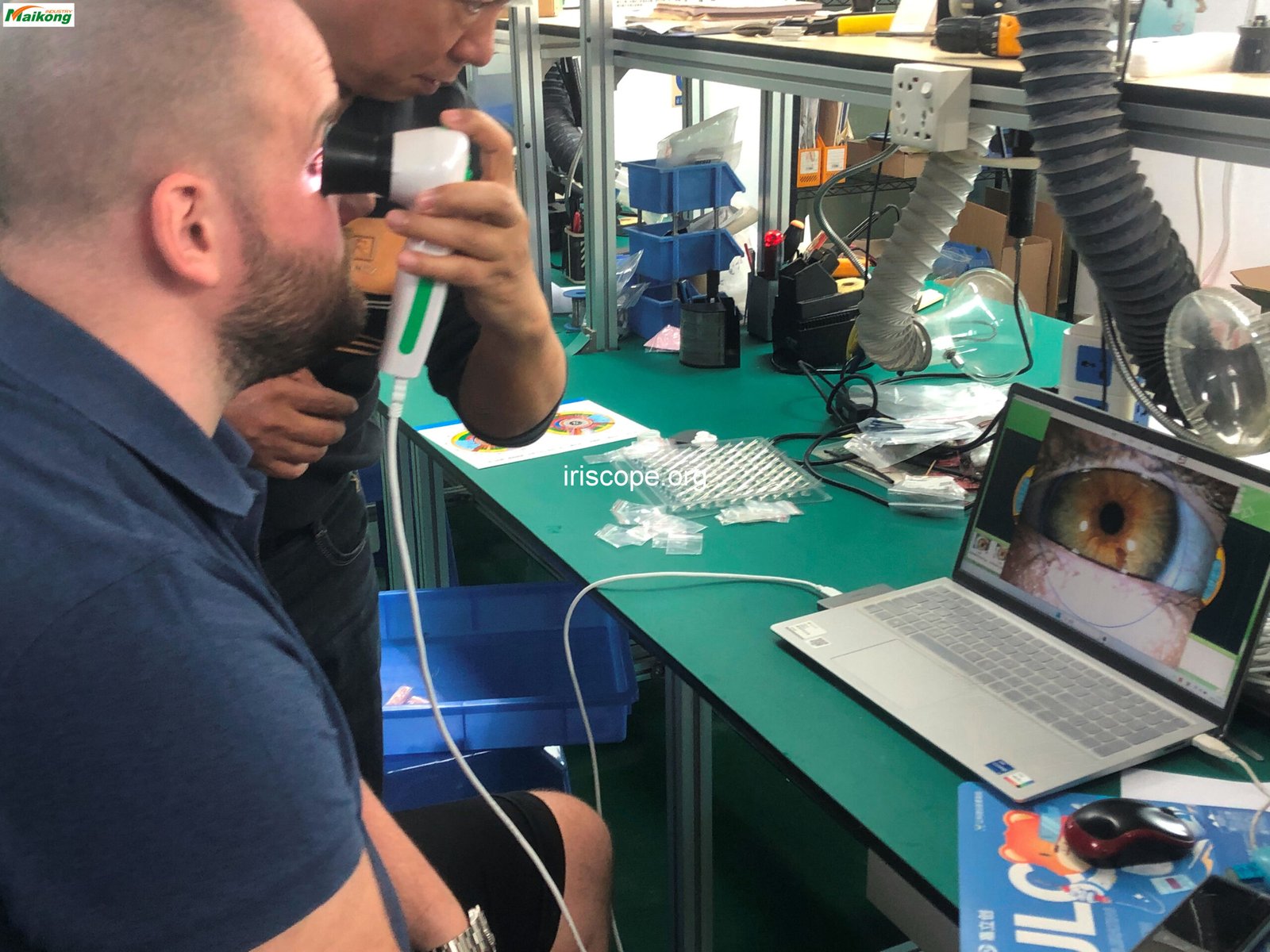
Modern iridology examination using specialized equipment to analyze iris patterns
The Iridology Chart as a Diagnostic Map
Central to iridology practice is the iridology chart—a detailed map dividing the iris into approximately 80-90 zones, each corresponding to different body parts. Our comprehensive Iridology Chart resources provide detailed information about these mappings.
The right and left eyes typically represent different sides of the body. The right eye iridology chart generally corresponds to the right side of the body, while the left eye iridology chart reflects the left side. Spanish speakers can find additional resources in our Mapa Iridológico guide.
“The iris reveals changing conditions of every part and organ of the body. Through various marks, signs, and discoloration in the iris, nature reveals internal conditions of the body, from acute illness to chronic disease.”
Bernard Jensen, Pioneer of Modern Iridology
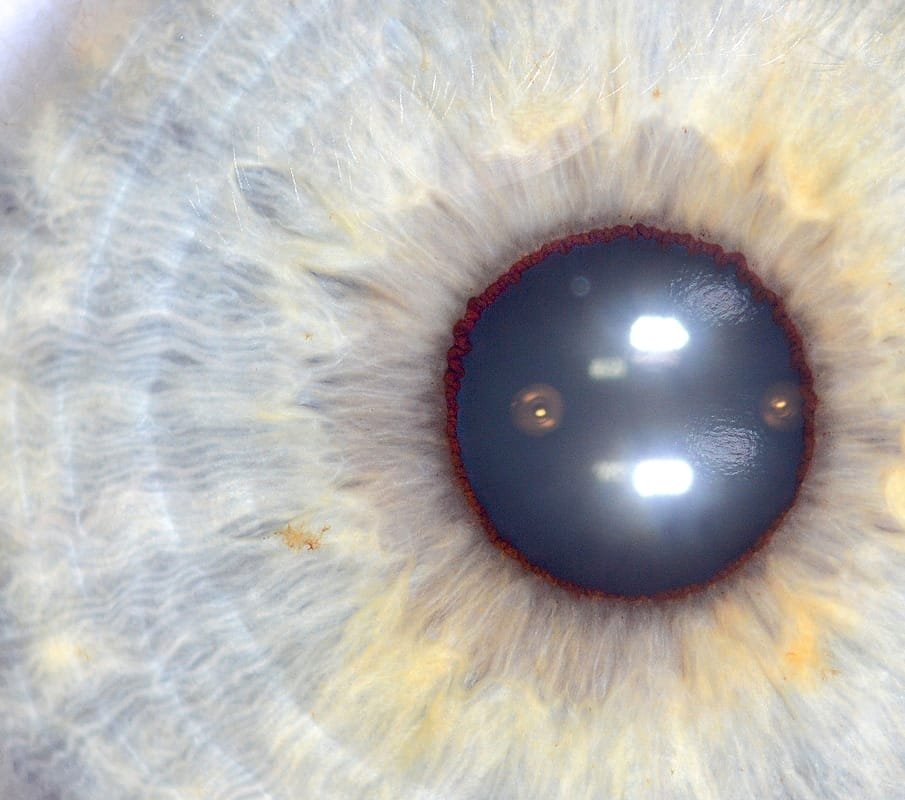
Practitioners analyze several iris characteristics during examination:
- Color variations and pigmentation changes
- Structural features like fibers and crypts
- Dark spots, rings, and other markings
- Overall iris integrity and clarity
- Pupil size, shape, and responsiveness
The Great Debate: Analyzing Iridology Accuracy
The scientific community remains divided on iridology’s diagnostic accuracy. While many alternative health practitioners advocate for its effectiveness, conventional medical institutions often question its reliability as a diagnostic tool.
Supportive Evidence and Anecdotal Claims
Proponents point to several factors supporting iridology’s potential accuracy:
Supporting Arguments
- Thousands of documented case studies where iris analysis correctly identified health issues
- The established neurological connections between the iris and the central nervous system
- Consistent patterns observed across multiple patients with similar conditions
- Improved diagnostic results when using high-quality equipment like professional iridology cameras
- Complementary findings when used alongside other diagnostic methods
Critical Arguments
- Limited peer-reviewed research validating iridology’s diagnostic claims
- Studies showing inconsistent results between different iridologists examining the same iris
- Lack of standardized protocols and certification requirements
- Potential for confirmation bias in interpretation
- Absence of clear physiological mechanisms explaining how internal conditions manifest in iris changes
Scientific Criticism and Contradictory Studies
Several scientific studies have challenged iridology’s diagnostic accuracy. A frequently cited 1979 study published in the Journal of the American Medical Association found that iridologists could not consistently identify patients with kidney disease by examining photographs of their irises.
Similarly, a 2000 systematic review concluded that “iridology is not supported by scientific evidence.” However, proponents argue that these studies often used outdated methodologies or equipment that doesn’t reflect modern iridology practice.
Key Factors Influencing Iridology Accuracy
Several critical factors can significantly impact the reliability of iridology assessments:
Practitioner Skill and Certification
Perhaps the most crucial factor affecting iridology accuracy is the practitioner’s training and experience. Proper iridology certification ensures practitioners understand iris interpretation nuances and can distinguish between normal variations and potential health indicators.
A skilled iridologist undergoes extensive training to recognize subtle patterns and changes in the iris. They also understand the limitations of the practice and know when to refer patients to conventional medical professionals for further evaluation.
Technology and Equipment Quality
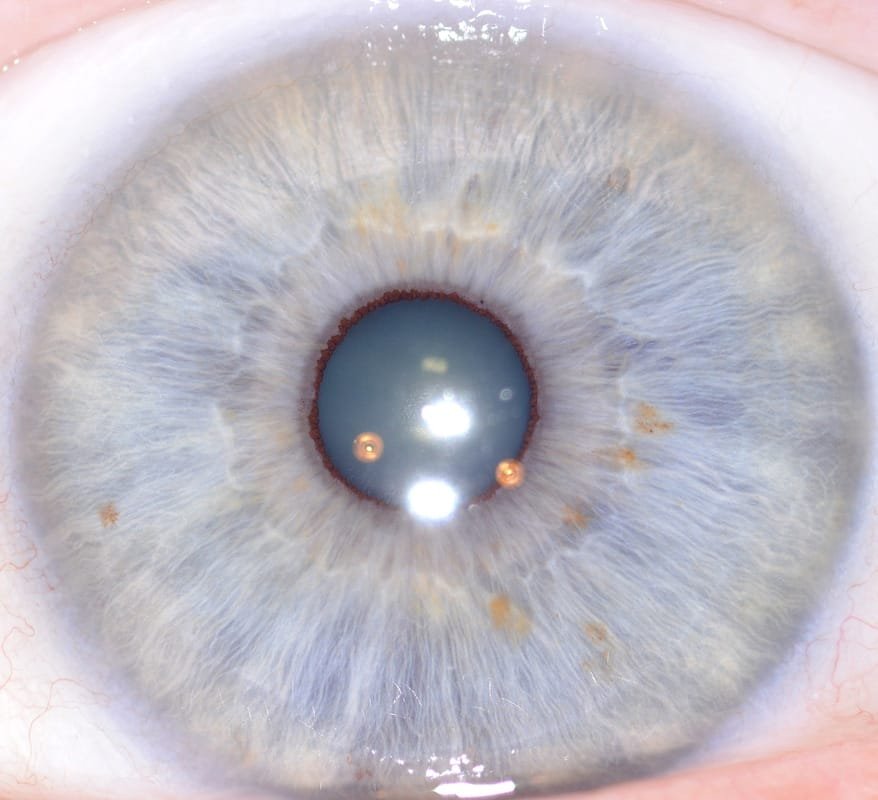
The quality of equipment used significantly impacts diagnostic precision. Basic magnifying tools provide limited detail, while advanced digital iriscopes and specialized iridology cameras can capture high-resolution images revealing subtle iris features.
Enhance Your Iridology Practice with MAIKONG Equipment
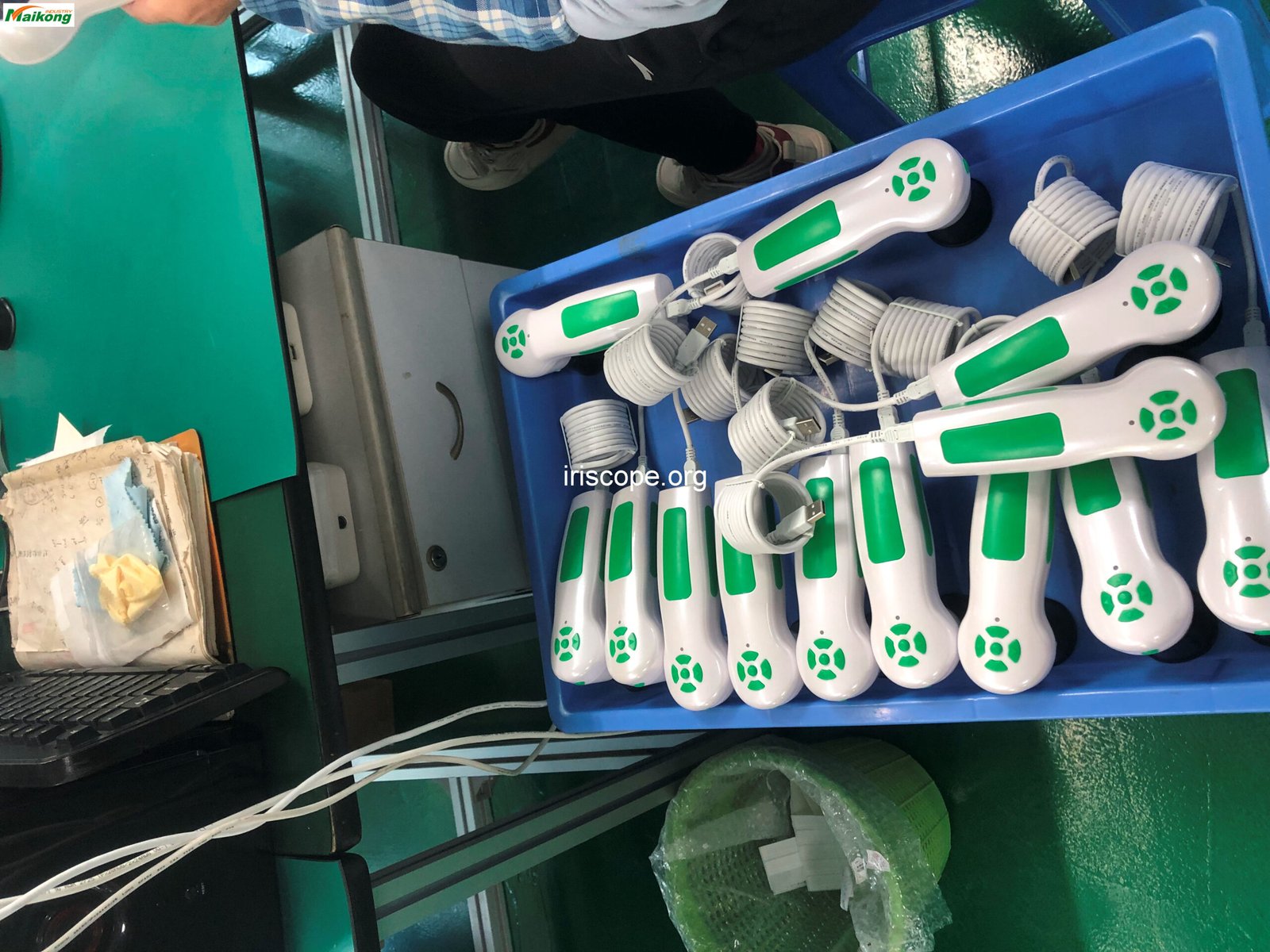
With over 20 years of R&D and manufacturing experience, MAIKONG offers professional-grade iridology equipment that improves diagnostic accuracy. Our high-resolution cameras and advanced software help practitioners identify subtle iris changes with greater precision.
Explore Our Iridology Cameras
MAIKONG has pioneered advancements in iridology equipment for over two decades. Our iriscopio devices feature high-definition imaging capabilities that reveal iris details invisible to the naked eye, potentially improving diagnostic accuracy.
Client History and Presentation
Comprehensive client health history provides crucial context for iris analysis. Understanding a client’s medical background, lifestyle factors, and current symptoms helps practitioners make more accurate interpretations of iris markings.
The most effective iridology assessments combine iris analysis with thorough client interviews, creating a more complete picture than iris examination alone. This integrated approach acknowledges that iris signs should be considered alongside other health indicators.
The Role of Modern Technology in Improving Iridology Accuracy
Technological advancements have significantly enhanced the potential accuracy of iridology assessments. Digital imaging, specialized software, and standardized analysis protocols have addressed many historical limitations of the practice.
How High-Resolution Imaging Aids Analysis
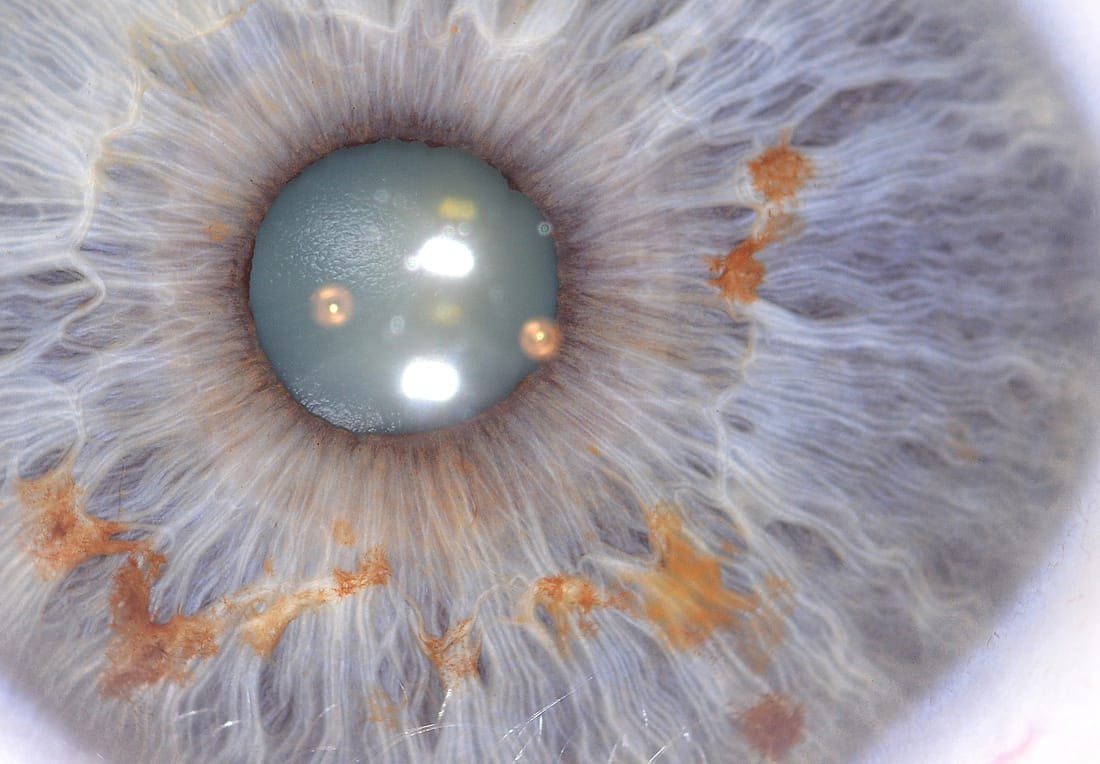
Modern iridology cameras capture incredibly detailed iris images at magnifications impossible with traditional methods. These high-resolution images reveal subtle features, color variations, and structural elements that might otherwise go unnoticed.
MAIKONG’s advanced imaging systems include features like:
- 12-megapixel+ resolution for capturing microscopic iris details
- Specialized lighting that eliminates glare and reflections
- Automatic focus and exposure optimization for consistent results
- Ergonomic design for patient comfort during examination
- Durable construction for clinical environments
The Impact of Specialized Iridology Software
Complementing hardware advancements, specialized iridology software has revolutionized analysis capabilities. These programs help standardize interpretation, track changes over time, and provide educational resources for practitioners.
Key software features that enhance accuracy include:
Analysis Tools
- Automated iris mapping to standardize zone identification
- Color analysis algorithms that detect subtle pigmentation changes
- Measurement tools for precise evaluation of iris structures
Documentation Capabilities
- Comparison views to track changes between sessions
- Detailed reporting features for client education
- Secure storage of historical images and analysis
Experience MAIKONG’s Integrated Iridology Solutions
Our comprehensive systems combine state-of-the-art cameras with intuitive software designed specifically for professional iridologists. Improve your practice’s accuracy and efficiency with equipment backed by two decades of specialized experience.
Discover Our Software Solutions
Iridology in Contemporary Integrative Practice
Modern practitioners increasingly position iridology as one component of a holistic health assessment rather than a standalone diagnostic method. This integrated approach acknowledges both the potential insights and limitations of iris analysis.
Many practitioners use iridology to identify potential areas of concern that warrant further investigation through conventional medical testing. This complementary approach recognizes that iridology iris diagnosis may detect subtle imbalances before they manifest as clinical symptoms.
What conditions can iridology potentially identify?
While scientific validation varies, practitioners report that iridology may help identify:
- Inflammation and stress patterns in the body
- Digestive system imbalances
- Potential circulatory issues
- Lymphatic system congestion
- Stress rings in eyes indicating chronic tension
- Constitutional strengths and weaknesses
How is iridology best integrated with conventional healthcare?
Most responsible practitioners recommend:
- Using iridology as a screening tool, not a definitive diagnosis
- Referring clients to medical professionals for concerning findings
- Combining iris analysis with comprehensive health history
- Focusing on preventative health insights rather than disease diagnosis
- Maintaining open communication with a client’s healthcare team
Conclusion: A Measured Perspective on Iridology Accuracy
The debate surrounding iridology accuracy continues in both alternative and conventional medical communities. While scientific validation remains limited, technological advancements and standardized approaches have addressed some historical criticisms of the practice.
For those interested in exploring iridology, a balanced approach is recommended:
- Seek practitioners with proper training and certification
- Ensure they use quality equipment for accurate iris imaging
- View iridology as one component of a comprehensive health assessment
- Maintain realistic expectations about diagnostic capabilities
- Continue with conventional medical care and screenings
Whether you’re a health practitioner considering adding iridology to your practice or an individual curious about its potential insights, quality equipment and proper training are essential foundations for meaningful results.
About MAIKONG: Advancing Iridology Through Quality Equipment
With over 20 years of specialized research, development, and manufacturing experience, MAIKONG has established itself as a leading provider of professional iridology equipment. Our commitment to quality and innovation has helped practitioners worldwide improve their assessment capabilities.
Our comprehensive product line includes:
Iridology Cameras
High-resolution digital cameras specifically designed for capturing detailed iris images with optimal clarity and color accuracy.
Learn More
Iriscope Systems
Complete examination systems combining advanced optics with ergonomic design for comfortable and precise iris analysis.
Explore Options
Analysis Software
Intuitive software solutions that enhance interpretation capabilities with automated mapping, comparison tools, and detailed reporting.
View Software
We proudly serve clients across the United States and internationally, with a focus on providing exceptional equipment backed by comprehensive support. Our factory certifications demonstrate our commitment to quality and compliance with international standards.
Connect With MAIKONG Today
Whether you’re looking to purchase equipment, become a distributor, or explore OEM opportunities, our team is ready to assist you.
Contact us via WhatsApp or email Lucy@iriscope.org
Learn more about our company history, values, and commitment to advancing the field of iridology on our About Us page.