Equine iridology is a fascinating non-invasive diagnostic approach that analyzes patterns and structures in a horse’s iris to reveal valuable insights about their health, temperament, and potential issues. This centuries-old practice has evolved into a powerful tool for understanding your horse’s wellbeing at a deeper level than conventional methods allow. By examining the intricate details of your horse’s eyes, trained practitioners can identify inherited tendencies, current health challenges, and even predict potential future concerns before clinical symptoms appear.
What Is Equine Iridology?
Detailed view of a horse’s iris showing diagnostic patterns used in equine iridology
Equine iridology is the scientific study and analysis of patterns and structures in the iris of a horse’s eye. This method enables trained practitioners to recognize root causes of temperament, behavioral, health, or performance issues in horses. The iris contains approximately 28,000 nerve endings connected to the brain, which continuously receives and records information about the body’s organs and systems.
Unlike conventional veterinary examinations that can only detect existing diseases or injuries, equine iridology can reveal inherited weaknesses, organs under stress, and systems that are merely malfunctioning before they develop into more serious conditions. This makes it an invaluable complementary diagnostic tool for horse owners and veterinary professionals.
“The iris is divided into certain areas, like the face of a clock. Genetic markings passed from parents to offspring give an overall blueprint of the constitution, and can point out weaknesses often several years before symptoms or discomfort become apparent.”
Ellen Collinson, Equine Iridologist & Herbalist
The History and Evolution of Equine Iridology
Iridology has ancient roots, with evidence of its practice dating back to the Egyptians and classical Greeks. However, the specific application to horses has a more recent history. During the First World War, a veterinary surgeon named Dr. Stephenson and his assistant Syd Mercer pioneered the use of iris analysis in horses while working in the remount section of the military.
Syd Mercer later became known as the “Magic Man” in horse racing circles, helping numerous racehorses win major competitions by using iris analysis to identify health issues and prescribe appropriate remedies. His success included helping horses like Barona win two Scottish Nationals and Rheingold win the prestigious Arc de Triomphe.
In the mid-1980s, veterinarian Dr. Dena Eckerdt and iridologist Mercedes Colburn developed the first comprehensive equine iridology grid, mapping the horse’s iris to correspond with different body systems. This groundbreaking work established the foundation for modern equine iridology practice.

Historical representation of early equine iridology practice
Scientific Principles Behind Equine Iridology
The practice of equine iridology is based on the neurological connection between the iris and the central nervous system. The iris contains thousands of nerve endings that connect to the brain via the optic nerve, creating a complex communication network with the rest of the body.
When organs or tissues experience stress, inflammation, or damage, these changes are reflected in the iris through alterations in fiber patterns, coloration, and structural integrity. These manifestations follow predictable patterns that can be mapped and interpreted by trained practitioners.
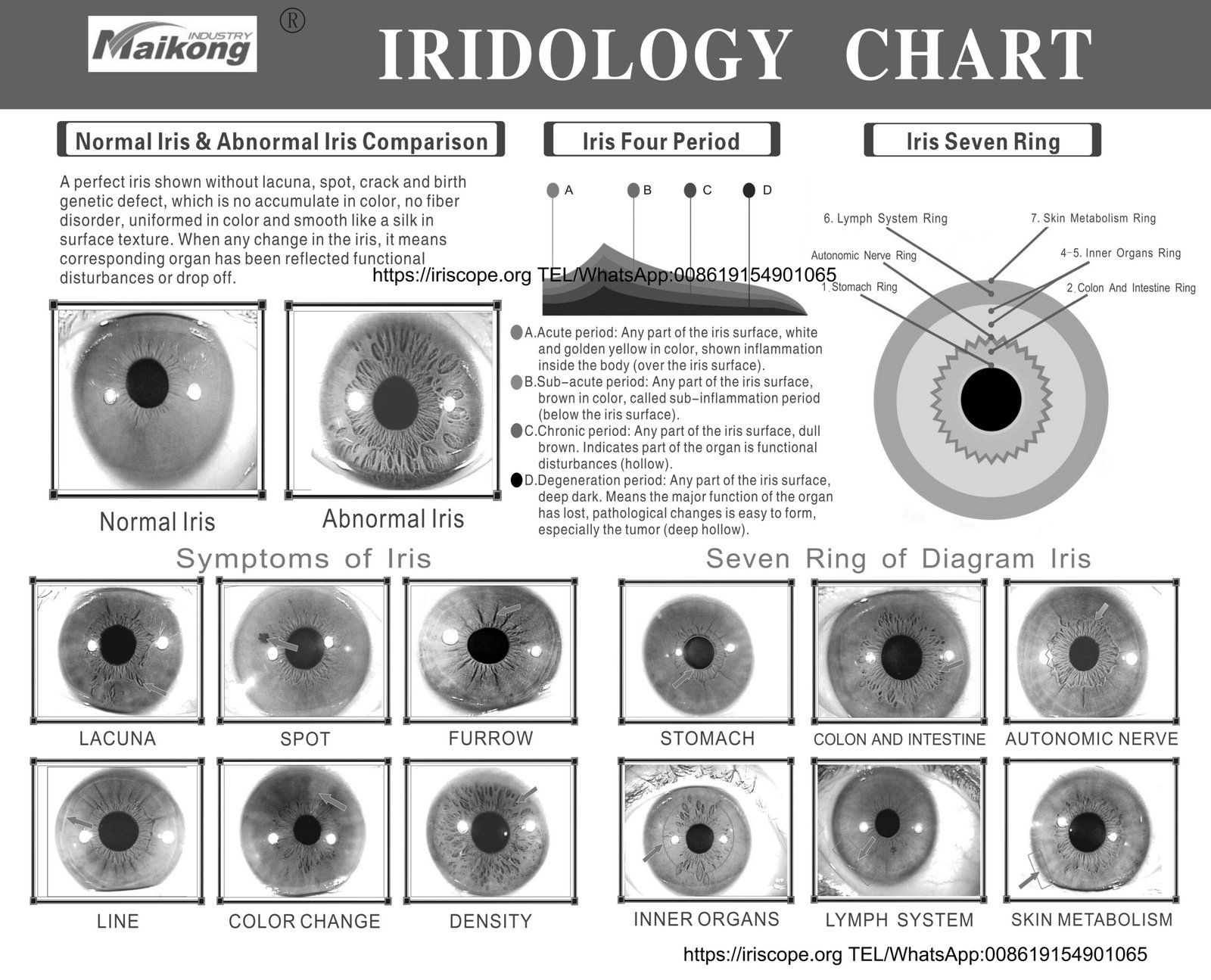
Key Iris Markings and Their Meanings
Dark marks: Often indicate areas of increased tissue density or toxin accumulation in the corresponding body system.
White marks: May represent areas of inflammation or hyperactivity in the corresponding organ or tissue.
Stress lines: Appear as deep cuts in the iris fibers and typically indicate acute or chronic stress in specific body systems.
Lactic acid lines: Resemble brush markings and can indicate metabolic imbalances affecting muscle function.
Radii solari: These raised ridges on the iris often correspond to nerve stress or irritation in specific body areas.
Color variations: Changes in pigmentation can reveal genetic predispositions and acquired conditions.

Common iris markings analyzed in equine iridology with their diagnostic significance
Understanding the Equine Iridology Grid
The equine iridology grid is a specialized mapping system that divides the horse’s iris into zones corresponding to different body systems and organs. This grid serves as the foundation for accurate interpretation of iris markings.
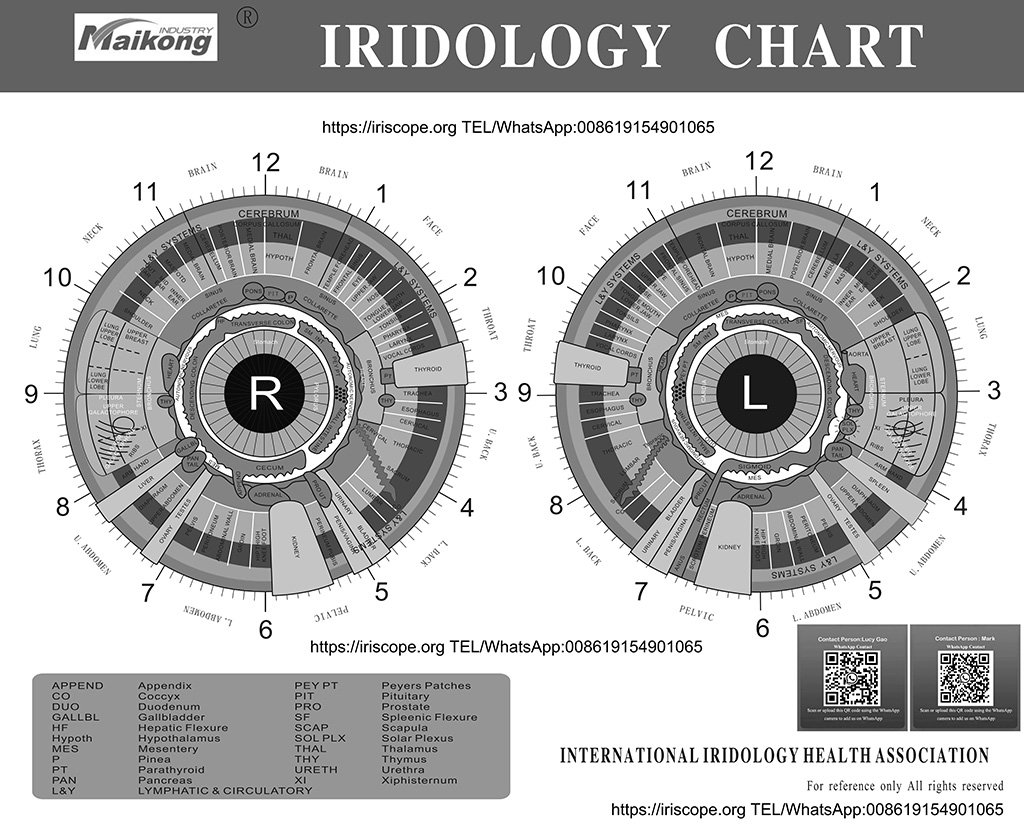
Comprehensive equine iridology grid mapping body systems to iris zones
The Four Critical Systems
According to experienced practitioners, four primary systems in the horse’s body are critical indicators of overall health. These systems function as “tunnels” that allow nutrition to enter and toxins to exit the body. Any discoloration or abnormal markings in these areas of the iris can signal potential health concerns:
- Intestinal System: Located adjacent to the pupil and occupying approximately one-third of the iris. The small intestine appears on the nasal side (closer to the nose), while the large intestine is on the opposite side. Discoloration in this area may indicate digestive issues requiring dietary changes, probiotics, or parasite control.
- Urinary System: Found at approximately the 6 o’clock position in both eyes (slightly after 6 in the right eye, slightly before 6 in the left eye). This system is crucial for toxin elimination and must function optimally for overall health.
- Respiratory System: Located at approximately 9 o’clock in the right eye and 3 o’clock in the left eye. Clear functioning of this system is essential for energy levels and overall performance.
- Skin (Scruff) Area: Represented by the line surrounding the iris. The skin is sometimes called the “third kidney” of the horse, as it can absorb 60-90% of substances applied topically into the bloodstream.
When one of these systems becomes compromised, it places additional stress on the others. If all four systems fail, it can potentially lead to severe health consequences or even death. This is why regular monitoring of these areas through iridology can be valuable for preventative health care.
Benefits and Applications of Equine Iridology
Equine iridology offers numerous advantages as a complementary diagnostic approach for horse health assessment. Some of the key benefits include:
Preventative Health Care
One of the most significant advantages of equine iridology is its ability to detect potential health issues before clinical symptoms appear. By identifying inherited weaknesses or systems under stress, owners and veterinarians can implement preventative measures to support these areas before problems develop.
For example, inherited kidney weakness—which can predispose horses to “tying up” or “cold back” syndrome—can be clearly identified through iris analysis, allowing for appropriate management strategies to be implemented early.
Performance Enhancement
For competition and performance horses, equine iridology can provide valuable insights into factors limiting optimal performance. By identifying systemic weaknesses or imbalances, trainers and owners can develop targeted support programs to enhance the horse’s capabilities.
As one testimonial notes: “When Taylor Denness scored her first elementary win with 72.41% on her 6-year-old Negro gelding, she credited an iridology assessment that identified a sugar intolerance. After adjusting the diet based on these findings, the horse showed improved energy without becoming uncontrollable.”
Additional Applications
- Pre-purchase Examinations: Equine iridology can supplement traditional pre-purchase exams by revealing inherited weaknesses, old injuries, or temperament issues that might not be detected through conventional veterinary examination.
- Rehabilitation Support: For horses recovering from injury or illness, iris analysis can help identify supporting systems that may need attention to facilitate complete recovery.
- Breeding Programs: By identifying genetic strengths and weaknesses, breeders can make more informed decisions about suitable breeding pairs.
- Complementary Diagnosis: When used alongside conventional veterinary care, equine iridology can provide additional insights that help complete the diagnostic picture.
Case Studies and Success Stories
“We discovered, thanks to Bridget Beresford Wright, who gave an Iridology assessment on ‘Timmy’ that he suffered from a sugar intolerance. On Bridget’s advice about the ‘oat diet,’ we started to feed him straights. Today, for the first time at a show, he had energy without being uncontrollable.”
Numerous case studies demonstrate the practical value of equine iridology in addressing various health and performance issues. Here are some notable examples:
Case Study: Dental Issue Detection
In one remarkable case, an iridologist examined a dressage horse and noted indicators of a tooth problem on the right side of the mouth. Although a dentist had checked the horse just three weeks earlier, the owner called the dentist back based on the iridology findings. The dentist discovered a broken tooth on the right side with a sharp edge causing discomfort. The dentist was amazed that this issue could be detected simply by examining the horse’s eyes.
Case Study: Rehabilitation Success
Mary Henley-Smith, who rehabilitates ex-racehorses at Moorcroft Racehorse Welfare Centre, reports: “It still amazes me now how incredibly consistent and accurate the information can be, and it helps me every day with these horses in my job to prepare them mentally and physically for a different job in life… It is totally non-intrusive and one of the best diagnostic tools I have ever discovered.”
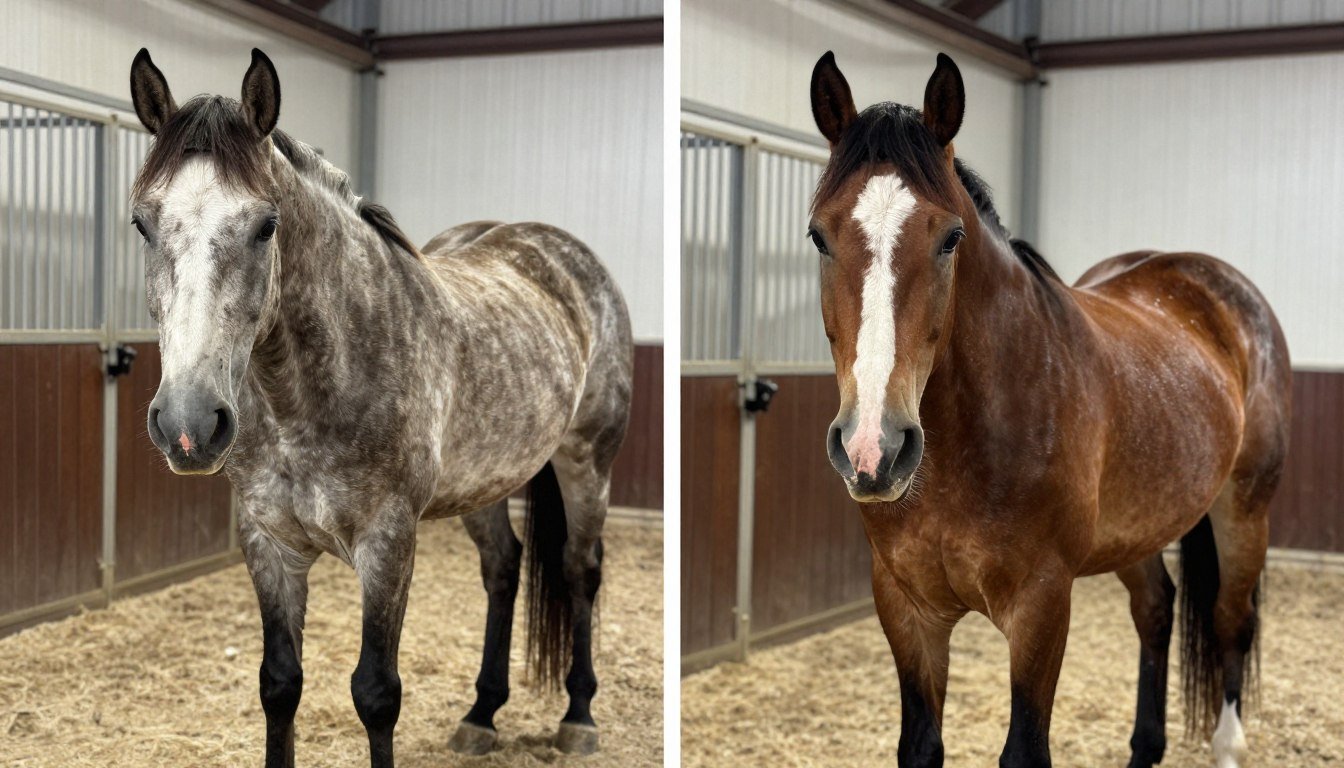
Transformation of a horse whose rehabilitation program was guided by equine iridology findings
Professional Equipment for Equine Iridology
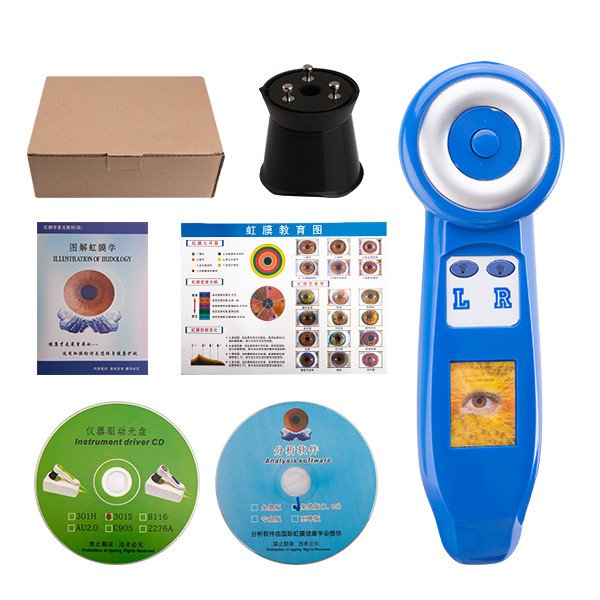
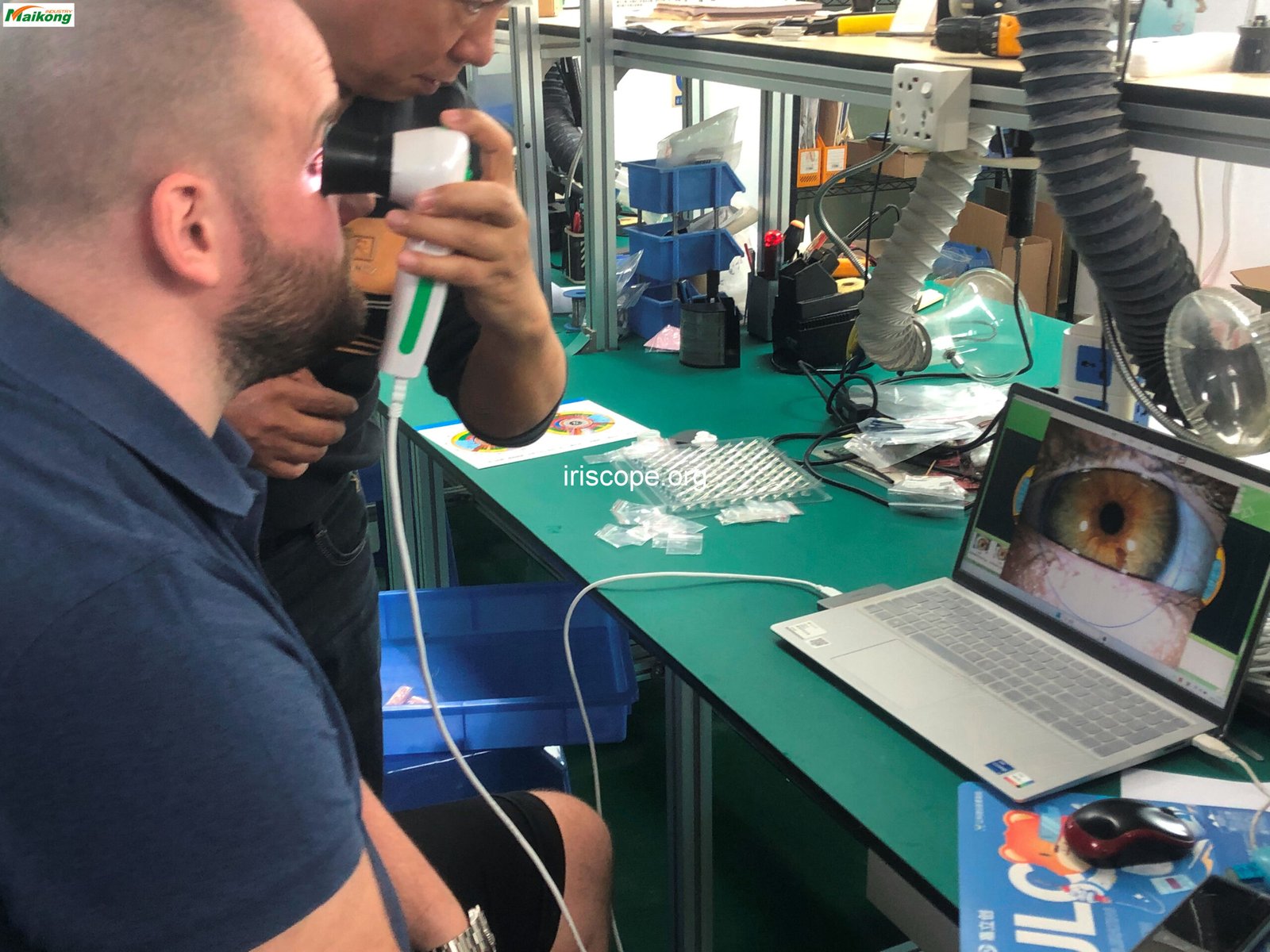
Accurate equine iridology analysis requires specialized equipment to capture clear, detailed images of the horse’s iris. MAIKONG, with over 20 years of research and development experience, offers a comprehensive range of professional-grade iridology equipment specifically designed for equine applications.

MAIKONG professional iriscope capturing detailed equine iris images
Essential Tools for Practitioners
Specialized cameras designed to capture high-resolution images of the horse’s iris. These cameras feature appropriate magnification, lighting, and focus capabilities to reveal the intricate details necessary for accurate analysis.
Advanced digital devices that combine imaging capabilities with analysis features. Modern iriscopes often include software integration for immediate image processing and comparison with reference materials.
Specialized reference materials mapping the equine iris to corresponding body systems. These charts are essential for accurate interpretation of iris markings and patterns.
Digital Analysis Solutions
Modern equine iridology has been enhanced by digital technology, allowing for more precise analysis and documentation:
- Iridology Software: Specialized programs that assist in analyzing iris images, comparing findings with databases, and generating detailed reports. MAIKONG’s software solutions are designed specifically for equine applications, with features tailored to the unique aspects of horse iris analysis.
- Image Storage and Comparison: Digital systems allow practitioners to store baseline images and track changes over time, providing valuable documentation of health trends and treatment effectiveness.
- Remote Consultation Support: Advanced systems can facilitate sharing of iris images with specialists for remote consultation and second opinions.
Explore MAIKONG’s Professional Equine Iridology Equipment
Discover our complete range of professional-grade iridology tools designed specifically for equine applications. With over 20 years of research and manufacturing experience, MAIKONG provides the highest quality equipment for accurate and reliable iris analysis.
View Our Products
Becoming an Equine Iridology Practitioner
For those interested in learning equine iridology, proper training and certification are essential. The practice requires a solid understanding of both iridology principles and equine anatomy and physiology.
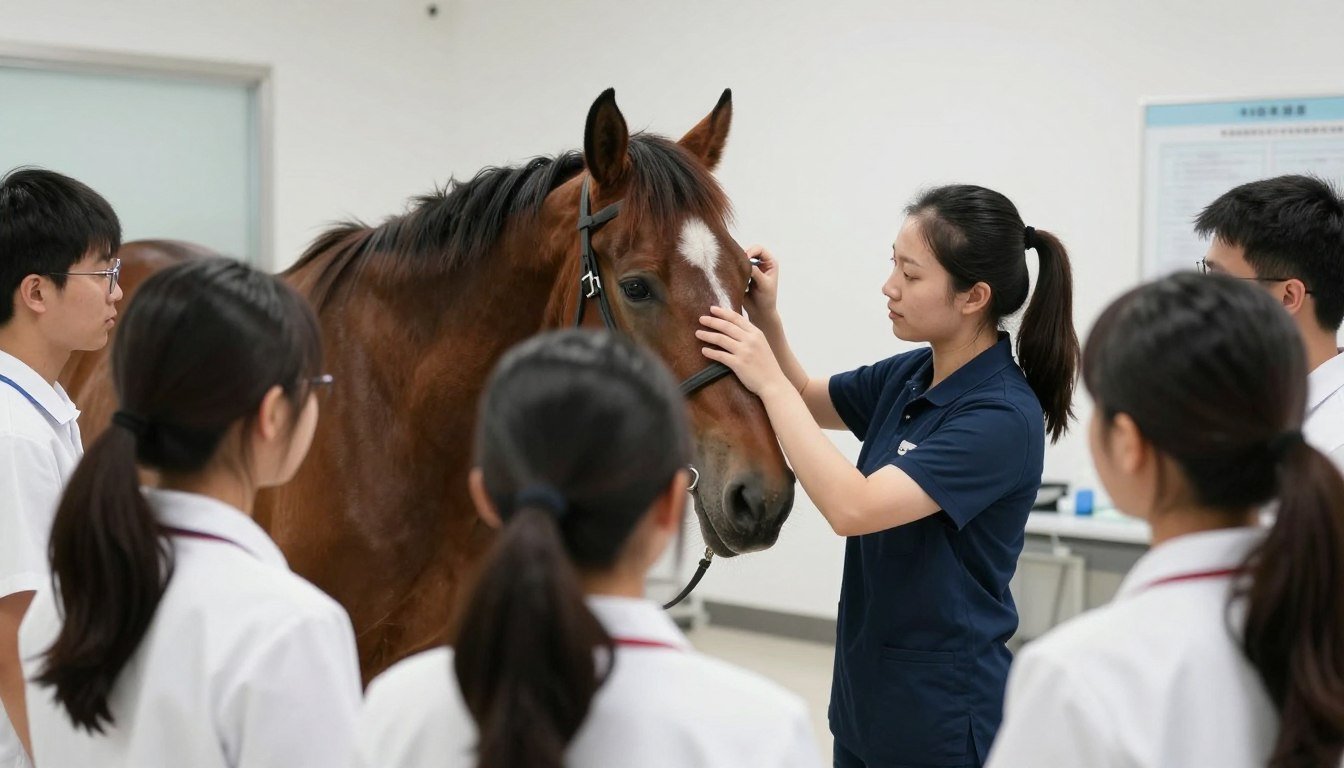
Professional training in equine iridology techniques and equipment use
Training and Certification
Several pathways exist for those seeking to develop expertise in this field:
- Formal Certification Programs: Structured courses covering iridology principles, equine anatomy, iris mapping, and practical application techniques.
- Apprenticeships: Working directly with experienced practitioners to develop hands-on skills and practical knowledge.
- Continuing Education: For veterinarians and equine health professionals, specialized workshops and seminars can provide additional skills to complement existing practice.
Essential Knowledge Areas
Effective equine iridology practitioners typically develop expertise in several interconnected fields:
Equine Anatomy and Physiology: Understanding the horse’s body systems and their interrelationships is fundamental to accurate interpretation of iris findings.
Iris Mapping and Chart Interpretation: Mastery of the right eye and left eye iridology charts and their application to horses is essential.
Equipment Operation: Proficiency with specialized cameras, iriscopes, and analysis software ensures accurate image capture and interpretation.
Integrative Health Approaches: Understanding how iridology findings can complement conventional veterinary care creates a more comprehensive approach to equine health.
“It was a great learning curve and it is now helping me to give these horses and others a much better chance at living a healthy and fulfilling career. Some go on to be dressage horses, some long distance/pleasure rides, some event horses and many just very pleasurable hacks but all leave here very healthy as a result of what I can discover through the Iridology.”
Mary Henley-Smith, BHSII & BHS.SM
Distribution Opportunities
For professionals in the equine health field, becoming a distributor of high-quality iridology equipment represents a valuable business opportunity. MAIKONG offers comprehensive distributor programs for qualified partners interested in bringing professional iridology tools to their markets.
Become a MAIKONG Distributor
Join our global network of distributors bringing professional iridology equipment to equine health practitioners. With comprehensive support, competitive pricing, and industry-leading products, MAIKONG offers excellent partnership opportunities.
Learn About Distribution
As a MAIKONG distributor, you’ll gain access to our complete product line, including iriscopios, cameras, charts, and software solutions. Our factory certifications ensure you’re representing products of the highest quality and reliability.
We also offer OEM opportunities for partners interested in customized solutions for their specific markets.
Conclusion
Equine iridology represents a valuable complementary approach to horse health assessment, offering insights that conventional methods might miss. By analyzing the intricate patterns and markings in the horse’s iris, trained practitioners can identify inherited tendencies, current health challenges, and potential future concerns.
With proper training and professional equipment, equine iridology can become an integral part of a comprehensive equine health care program. Whether you’re a horse owner seeking to better understand your animal’s health, a veterinary professional looking to expand your diagnostic capabilities, or a business professional interested in distribution opportunities, the field of equine iridology offers valuable possibilities.
MAIKONG, with over two decades of research and manufacturing experience, remains committed to advancing the practice of iridology through high-quality equipment, educational resources, and professional support. We invite you to explore the fascinating world of equine iridology and discover how it can enhance your approach to horse health and wellbeing.
Ready to Explore Equine Iridology?
Contact our team today to learn more about our professional equipment, training resources, and how equine iridology can enhance your approach to horse health care.
Contact Us Today