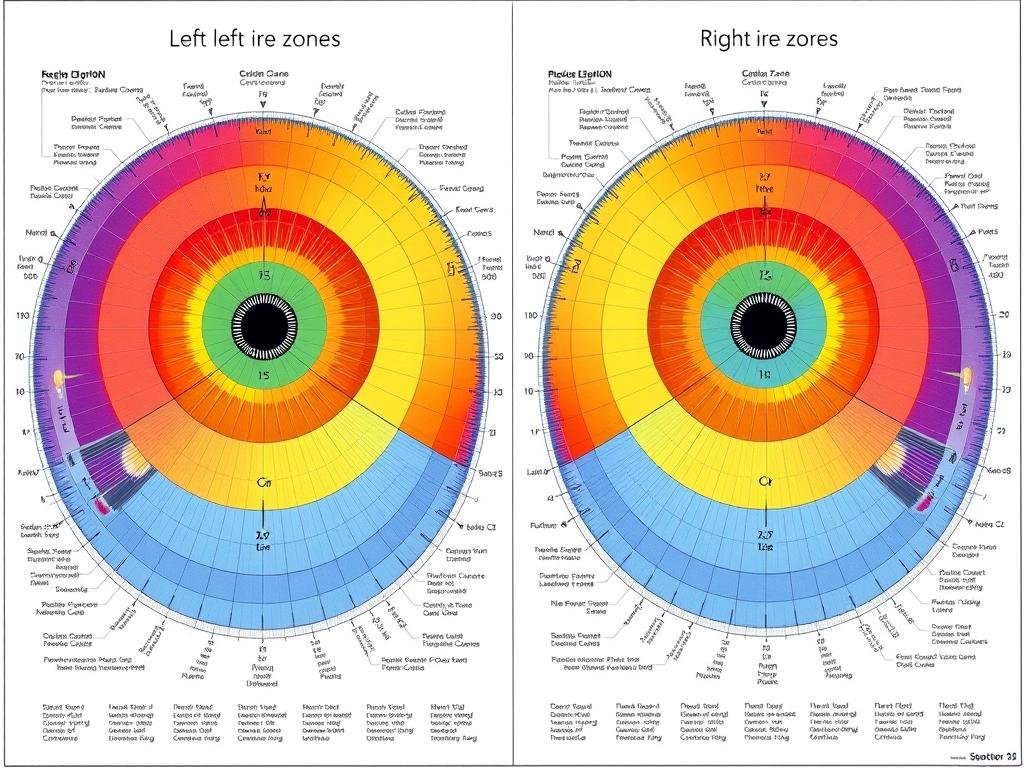
عمل باستانی ایریدولوژی از عنبیه - قسمت رنگی چشم شما - به عنوان نقشه ای برای شرایط بالقوه سلامت در بدن شما استفاده می کند. در مرکز این عمل کل نگر، نمودار عنبیه است، نقشه ای دقیق که عنبیه را به مناطق مربوط به اندام ها و سیستم های مختلف تقسیم می کند. چه در مورد روشهای سلامت جایگزین کنجکاو باشید یا به دنبال درک آنچه که چشمان شما ممکن است آشکار کند، این راهنما شما را از طریق اصول اولیه راهنمایی میکند. ایریدولوژی نمودار عنبیه، از تفسیر اولیه تا کاربرد عملی.
Iris Chart Iridology چیست؟
ایریدولوژی مطالعه الگوها، رنگ ها و تغییرات عنبیه است که به شرایط بالقوه سلامت در بدن مربوط می شود. نمودار عنبیه به عنوان ابزاری اساسی عمل می کند که پزشکان برای اتصال نواحی خاص عنبیه به قسمت ها و سیستم های بدن مربوطه استفاده می کنند. این نمودارها بهعنوان نقشههایی عمل میکنند که ایریدولوژیستها را در تجزیه و تحلیل و تفسیر آنچه در چشمان شخص مشاهده میکنند، راهنمایی میکنند.
این عمل بر اساس این تئوری است که عنبیه حاوی پایانه های عصبی است که از طریق سیستم عصبی به هر بافت بدن متصل است و آن را به یک شاخص بالقوه برای مشکلات اساسی سلامت تبدیل می کند. هنگامی که بافت های بدن ملتهب یا آسیب می بینند، ایریدولوژیست ها معتقدند این تغییرات ممکن است در ناحیه مربوطه عنبیه منعکس شود.


نمودار عنبیه سنتی که مطابقت اندام را در چشم چپ و راست نشان می دهد
تاریخچه و توسعه نمودارهای عنبیه
عمل مدرن ایریدولوژی اغلب به ایگناتز فون پچلی، یک پزشک مجارستانی نسبت داده می شود که در دهه 1800 متوجه تغییراتی در عنبیه جغد پس از شکستگی ساق پا شد. این مشاهدات او را بر آن داشت تا اولین نمودار جامع عنبیه را در سال 1880 ایجاد کند که ارتباط بین نواحی عنبیه و اندام های بدن را ترسیم می کرد.
در دهه 1950، برنارد جنسن، متخصص کایروپراکتیک آمریکایی، این مفاهیم را بیشتر توسعه داد و نمودار عنبیه دقیق تری را ایجاد کرد که امروزه نیز تأثیرگذار است. نمودار جنسن عنبیه را به بیش از 90 ناحیه تقسیم می کند که هر ناحیه مربوط به اندام ها و سیستم های خاصی در بدن است.
با گذشت زمان، پزشکان مختلف نسخههای خود را از نمودارهای عنبیه ایجاد کردهاند، اگرچه بیشتر آنها از اصول مشابه تقسیم عنبیه به حلقههای متحدالمرکز و بخشهای ساعت مانند پیروی میکنند.
درک سیستم های مختلف نمودار عنبیه
چندین سیستم نمودار عنبیه در طول سال ها توسعه یافته اند که هر کدام رویکرد خاص خود را برای نقشه برداری عنبیه دارد. دو سیستم رایج، مدل ساعت و مدل حلقه متحدالمرکز هستند، اگرچه بسیاری از نمودارهای مدرن عناصر هر دو را ترکیب می کنند.
| سیستم نمودار |
ساختار |
ویژگی های کلیدی |
استفاده اولیه |
| نمودار سنتی جنسن |
مدل ساعت با حلقه های متحدالمرکز |
بیش از 90 منطقه، نقشه برداری مفصل اندام |
ارزیابی جامع سلامت |
| نمودار ساده شده مدرن |
7 حلقه متحدالمرکز، 12 بخش ساعت |
یادگیری آسان تر، بر روی سیستم های بدن تمرکز می کند |
غربالگری سلامت عمومی |
| نمودار اروپایی/آلمانی |
10 منطقه متحدالمرکز، تقسیم بندی تفصیلی |
بر ارتباطات روانی تأکید می کند |
تجزیه و تحلیل ارتباط ذهن و بدن |
| نمودار روسی |
مبتنی بر بخش با تمرکز جنینی |
بر اساس الگوهای رشد جنینی |
ارزیابی قانون اساسی |
مدل ساعت
مدل ساعت، عنبیه را مانند صفحه ساعت به 12 بخش تقسیم می کند. هر بخش مربوط به اندام ها و سیستم های مختلف بدن است. به عنوان مثال، کبد معمولاً در موقعیت ساعت 8 عنبیه راست قرار دارد، در حالی که قلب در موقعیت ساعت 3 عنبیه چپ قرار دارد.
مدل حلقه متحدالمرکز
این مدل عنبیه را به حلقههای متحدالمرکز تقسیم میکند که هر حلقه نشاندهنده سیستمهای مختلف بدن بر اساس فاصله آنها از مردمک است. داخلی ترین حلقه معمولاً مربوط به دستگاه گوارش است، در حالی که حلقه های بیرونی مربوط به پوست، ماهیچه ها و استخوان ها هستند.

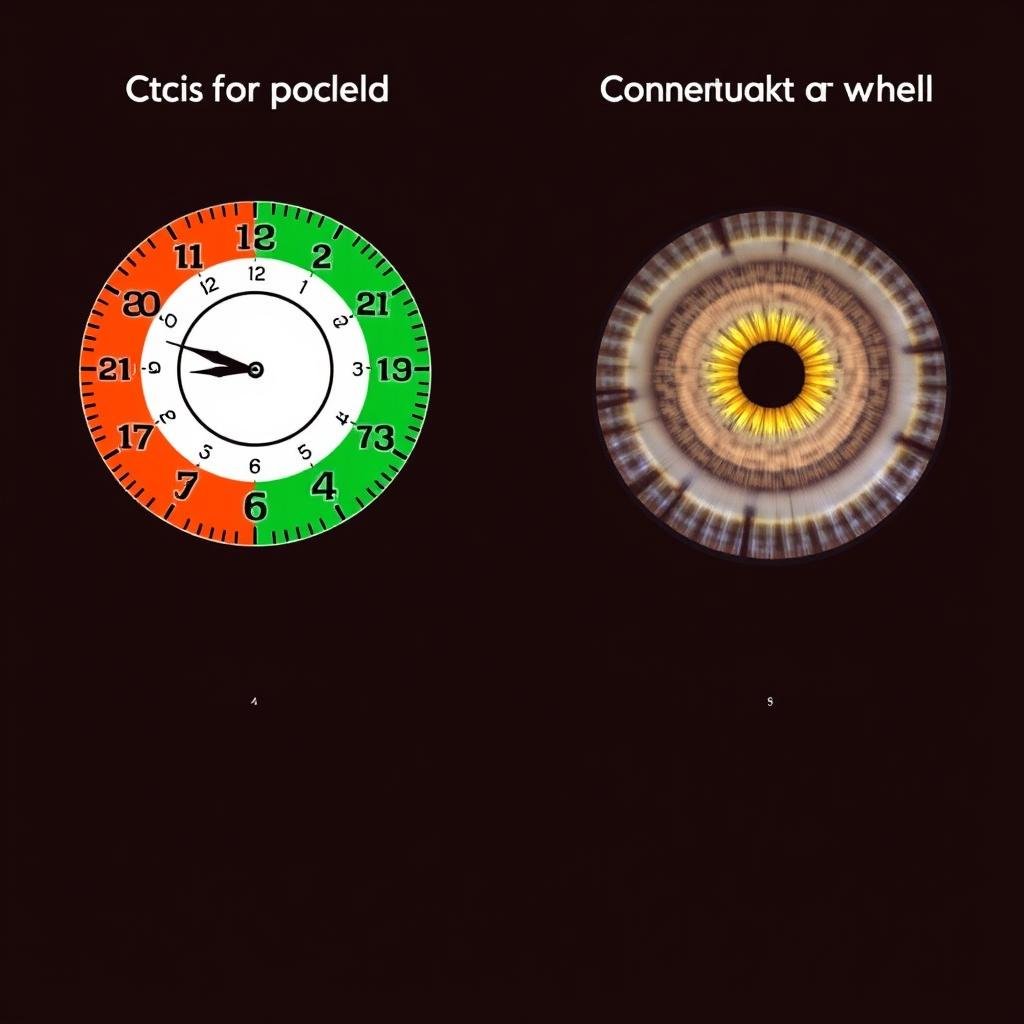
مقایسه مدل ساعت (چپ) و مدل حلقه متحدالمرکز (راست) در ایریدولوژی
چگونه نمودار عنبیه را بخوانیم: درک مناطق
خواندن نمودار عنبیه مستلزم درک چگونگی مطابقت مناطق مختلف با اندام ها و سیستم های بدن است. اکثر نمودارهای جامع عنبیه هر عنبیه را به تقریباً 60 ناحیه تقسیم می کنند که عنبیه راست عموماً مربوط به سمت راست بدن و عنبیه چپ به سمت چپ است.
مناطق عنبیه راست (سمت راست بدن)
- منطقه بالا: مغز، سر و سینوس ها
- ربع بالا سمت راست: ریه ها، برونش ها و گلو
- ناحیه میانی راست: کبد، کیسه صفرا و پانکراس
- ناحیه پایین سمت راست: آپاندیس، کولون صعودی و کلیه راست
مناطق عنبیه چپ (سمت چپ بدن)
- منطقه بالا: گردش خون مغز و عملکرد ذهنی
- ربع بالا سمت چپ: قلب، طحال و معده
- ناحیه میانی چپ: روده کوچک و کولون نزولی
- ناحیه چپ پایین: کلیه چپ، مثانه و دستگاه تناسلی

مردمک مرکز نمودار را تشکیل می دهد و دستگاه گوارش معمولاً در نزدیک ترین مناطق به مردمک نشان داده می شود. با حرکت به سمت بیرون، مناطقی را خواهید دید که نشان دهنده سیستم گردش خون، سیستم لنفاوی، سیستم اسکلتی عضلانی و در نهایت پوست در بیرونی ترین لبه عنبیه است.
تفسیر علائم و ویژگی های عنبیه
فراتر از خود مناطق، iridologists علائم خاص، الگوها، و تغییرات رنگ در داخل عنبیه را تجزیه و تحلیل می کنند. اعتقاد بر این است که این ویژگی ها نشان دهنده شرایط یا استعدادهای مختلف سلامتی است.
علائم عنبیه مشترک و تفسیرهای آنها
علائم ساختاری
- Lacunae (Crypts): فضاها یا حفره های باز در فیبر عنبیه که ممکن است نشان دهنده ضعف ذاتی در اندام های مربوطه باشد.
- شعاع خورشیدی: خطوط اسپک مانندی که از مردمک ساطع می شود که به طور بالقوه نشان دهنده سمیت یا استرس عصبی است.
- حلقه ها: تشکیلات دایره ای که ممکن است مربوط به شرایط سیستم عصبی یا استرس باشد
نشانه های رنگی
- لکه های سفید یا زرد: ممکن است نشان دهنده التهاب یا فعالیت حاد باشد
- نقاط تاریک: به طور بالقوه تجمع سم یا آسیب بافتی را نشان می دهد
- تغییر رنگ: تغییر رنگ عنبیه در طول زمان ممکن است منعکس کننده تغییر شرایط سلامتی باشد
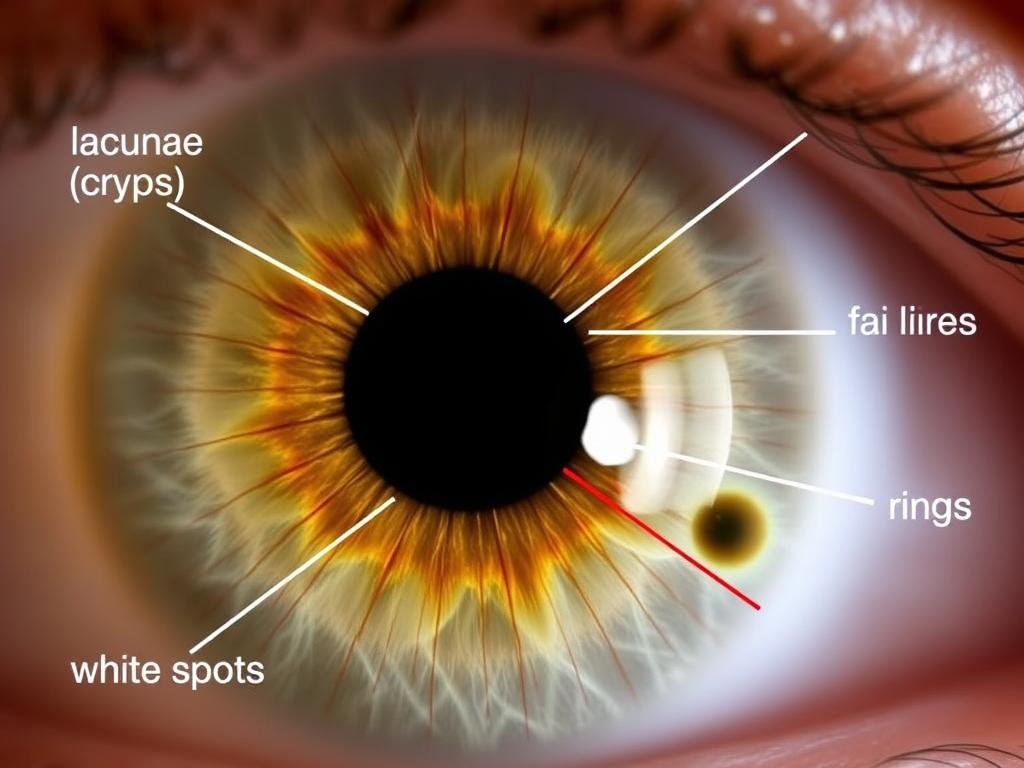
علائم رایج عنبیه در عمل ایریدولوژی تجزیه و تحلیل شده است
انواع قانون اساسی آیریس
ایریدولوژیست ها همچنین زنبق ها را بر اساس ساختار و رنگ فیبرشان به انواع مختلف تقسیم می کنند:
- نوع لنفاوی: زنبق آبی با الیاف شل و با فاصله زیاد
- نوع خون: عنبیه قهوه ای/مخلوط با الیاف فشرده
- نوع صفراوی: زنبق سبز/فندقی با الگوهای فیبر مخلوط
اعتقاد بر این است که این انواع قانون اساسی نشان دهنده نقاط قوت، ضعف و استعداد ذاتی یک فرد برای شرایط خاص سلامتی است.
راهنمای گام به گام خود آنالیز پایه عنبیه
در حالی که iridology حرفه ای به طور معمول به تجهیزات و آموزش های تخصصی نیاز دارد، شما می توانید با استفاده از چند ابزار ساده یک خود آنالیز اولیه را انجام دهید. در اینجا نحوه شروع به کار آمده است:
- ابزار خود را جمع آوری کنید: برای مرجع به یک چراغ قوه کوچک، یک آینه ذره بین و یک نمودار عنبیه چاپ شده نیاز دارید.
- نورپردازی مناسب ایجاد کنید: در مکانی با نور مناسب بایستید، در حالت ایده آل با نور طبیعی که از کنار شما می آید نه مستقیماً در مقابل شما.
- آینه خود را در موقعیت قرار دهید: آینه ذره بین را در سطح چشم، حدود 6 تا 8 اینچ از صورت خود نگه دارید.
- عنبیه خود را روشن کنید: از چراغ قوه برای تابش نور در سراسر چشم (نه مستقیم به داخل آن) استفاده کنید تا عنبیه را بدون ایجاد انقباض مردمک روشن کنید.
- الگوهای کلی را رعایت کنید: به رنگ، تراکم و ساختار کلی عنبیه خود توجه کنید.
- به دنبال نشانه گذاری باشید: هر نقطه، خط یا تغییر رنگ قابل توجهی را در عنبیه خود شناسایی کنید.
- مقایسه با نمودار: به نمودار عنبیه خود مراجعه کنید تا ببینید کدام ناحیه بدن با هر علامتی که مشاهده کرده اید مطابقت دارد.
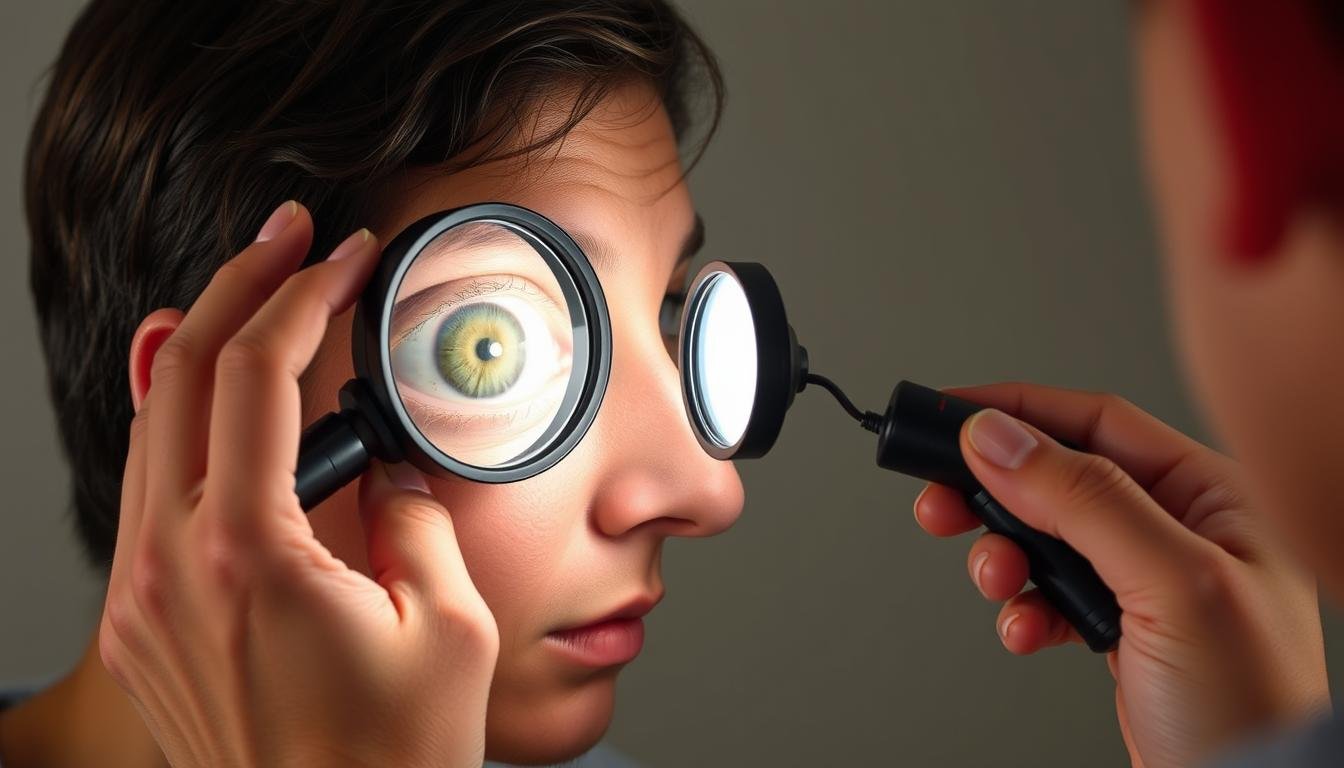
تکنیک مناسب برای خود آنالیز عنبیه با استفاده از آینه ذره بین و چراغ قوه
نکته مهم: خود تحلیلی را باید آموزشی دانست تا تشخیصی. هر گونه یافته مربوطه باید با یک متخصص مراقبت های بهداشتی بحث شود. ایریدولوژی جایگزین مراقبت های پزشکی مناسب نیست.
نمودار نمودار عنبیه تعاملی
در زیر یک نمودار تعاملی ساده شده عنبیه وجود دارد که به شما امکان می دهد مناطق مختلف عنبیه و سیستم های بدن مربوط به آنها را کشف کنید. برای کسب اطلاعات بیشتر در مورد آنچه که هر منطقه در iridology نشان می دهد، روی مناطق مختلف کلیک کنید.

این نمودار تعاملی یک نمایش ساده شده است. ایریدولوژیست های حرفه ای از نمودارهای دقیق تری با حداکثر 90 ناحیه مجزا برای تجزیه و تحلیل جامع استفاده می کنند.
دیدگاه علمی و بحث و گفتگوها
در حالی که iridology پزشکان و پیروان فداکار زیادی دارد، مهم است که درک کنیم که این عمل در جوامع علمی و پزشکی بحثبرانگیز است.
طرفداران استدلال می کنند
- عنبیه حاوی هزاران پایانه عصبی است که از طریق سیستم عصبی به بدن متصل هستند
- بسیاری از پزشکان الگوهای ثابتی را در مشاهدات خود گزارش می دهند
- این می تواند یک ابزار غربالگری غیر تهاجمی برای شناسایی مناطق برای بررسی بیشتر باشد
- برخی از مطالعات کوچک همبستگی بین علائم عنبیه و شرایط خاص را نشان داده اند
منتقدان اشاره می کنند
- شواهد علمی محدودی که از دقت تشخیصی iridology پشتیبانی می کند
- چندین مطالعه کنترل شده نشان نداده اند که iridologists می تواند به طور مداوم بیماری ها را شناسایی کند
- ساختار عنبیه تا حد زیادی در طول زندگی ثابت می ماند و با این نظریه که با شرایط سلامتی تغییر می کند، در تناقض است
- خطر بالقوه در صورت فراموشی شرایط پزشکی جدی یا تاخیر در درمان
تحقیقات و مطالعات
چندین مطالعه علمی اثربخشی iridology را بررسی کرده اند. یک مطالعه قابل توجه در سال 1979 که در مجله انجمن پزشکی آمریکا منتشر شد نشان داد که ایریدولوژیست ها نمی توانند به طور مداوم بیماران مبتلا به بیماری کلیوی را با بررسی عکس های عنبیه آنها شناسایی کنند. مطالعات مشابه نتایج قابل مقایسه ای را برای شرایط دیگر تولید کرده است.
با این حال، طرفداران استدلال میکنند که این مطالعات اغلب از روشهایی استفاده میکنند که نشاندهنده نحوه انجام عمل ایریدولوژی نیست، و اینکه تجزیه و تحلیل عنبیه بهمنظور شناسایی استعدادها و گرایشها بهجای ارائه تشخیصهای قطعی است.
“ایریدولوژی نشان داده است که سود چندانی برای کسی ندارد. بیماران و درمانگران باید از استفاده از iridology منصرف شوند، زیرا این روش می تواند آسیب های شخصی و مالی ایجاد کند.”
- مطالعه منتشر شده در سال 2000، به نقل از All About Vision
خط پایین در Iridology نمودار زنبق
ایریدولوژی نمودار عنبیه چشم انداز جالبی در مورد ارتباطات بالقوه بین چشم ها و سلامت کلی ارائه می دهد. در حالی که بسیاری در این رویکرد کل نگر ارزش پیدا می کنند، بهتر است به عنوان یک عمل مکمل به جای جایگزینی برای مراقبت های پزشکی مرسوم در نظر گرفته شود.
اگر به کاوش ایریدولوژی علاقه دارید، این رویکردهای متعادل را در نظر بگیرید:
- از آن به عنوان یکی از ابزارهای بسیاری برای آگاهی از سلامت عمومی استفاده کنید
- با پزشکان آموزش دیده ای که محدودیت های تمرین را تصدیق می کنند، مشورت کنید
- همیشه یافته های مربوطه را با متخصصان پزشکی مناسب پیگیری کنید
- هم با ذهنی باز و هم با شک و تردید سالم به تمرین نزدیک شوید
فرقی نمیکند معتقد باشید یا یک شکاک کنجکاو، درک اصول پشت ایریدولوژی نمودار عنبیه میتواند بینش جالبی را در مورد این رویکرد جایگزین برای ارزیابی سلامت ارائه دهد.

ارزیابی ایریدولوژی حرفه ای مشاهده دقیق را با مرجع نمودار ترکیب می کند